Healthcare in Belgrade: Public vs Private for Foreigners
Belgrade runs two healthcare systems side by side - cheap but slow public care through RFZO, and fast, English-friendly private clinics. Here's how each works, what it costs in 2026, and when to use which.


Belgrade Life ekibi
10 Temmuz 2026 tarihinde yayınlandı
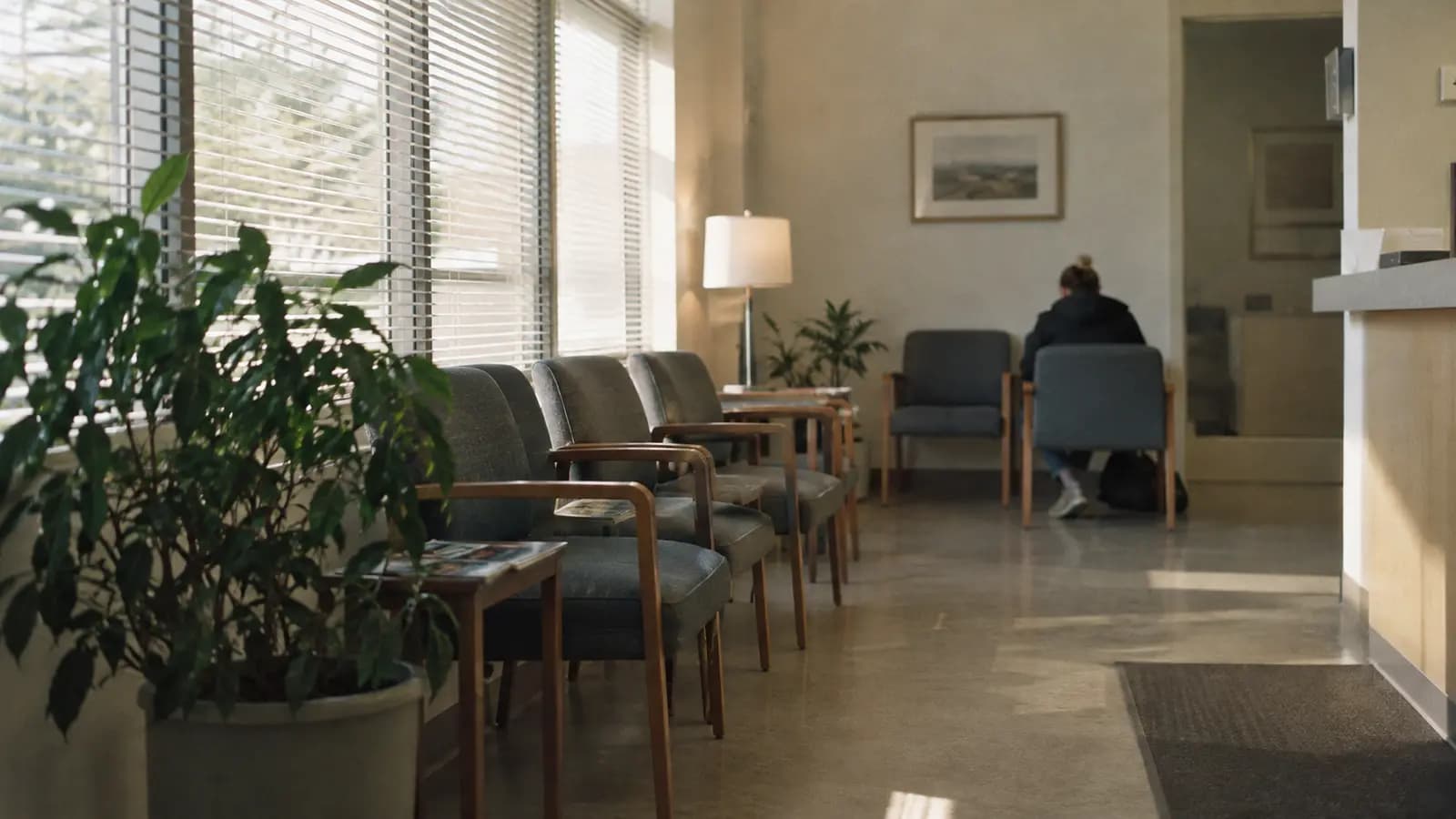
Belgrade offers two parallel worlds of medicine: a state-funded public system that most Serbs rely on, and a fast-growing network of private clinics that most expats end up using. Knowing when to reach for which - and what each one costs - can save you a stressful morning and a good deal of money. Here is how healthcare actually works in the city as of 2026.
Public vs private: the quick version
The public system is cheap - often free at the point of use if you pay contributions - but comes with queues, dated facilities in places, and limited English. The private system is quick, comfortable, and English-friendly, but you pay per visit or through voluntary insurance. Many residents keep a foot in both: registered publicly for coverage and serious hospital care, while paying privately for routine check-ups and specialists.
The public system (RFZO)
Serbia's public healthcare runs through the RFZO (Republički fond za zdravstveno osiguranje, the Republic Health Insurance Fund). If you are employed here, your employer registers you through the CROSO social-insurance registry and pays monthly contributions from your salary; you and your dependents are then covered. The self-employed and entrepreneurs (preduzetnici) pay their own contributions.
Primary care happens at your local dom zdravlja (community health center), where you register a chosen GP (izabrani lekar), plus a gynecologist and dentist. Referrals from there route you to specialist clinics and hospitals. The flagship is the University Clinical Center of Serbia (Univerzitetski klinički centar Srbije) near Kneza Miloša, which also houses the main emergency hospital. You can check details on the RFZO English-language site.
Once you hold your health booklet, most treatment is free or carries a small co-payment. The trade-offs are real, though: non-urgent specialist appointments can take weeks, equipment varies by facility, and you should not assume every doctor speaks English.
Emergencies: what to do and who pays
For an ambulance, call 194 (Hitna pomoć), staffed around the clock; the pan-European 112 also works and can route your call. Police is 192 and fire 193. Belgrade's main emergency room is the Urgentni centar at Pasterova 2 (Savski Venac), where ambulance cases are taken.
Bilmekte fayda var
Burada reklam verin
Banner'ınız burada olabilir
İnsanlar Belgrad'da zamanlarını planlamak için bu sayfayı açıyor. Mekânınızı, etkinliğinizi ya da markanızı onlara gösterin.
Going private: clinics and prices
Private care is where most foreigners feel at home: online booking, short waits, and English-speaking doctors. The big names in Belgrade include Acibadem Bel Medic (the country's first private hospital), MediGroup (the largest network, with a full general hospital and maternity ward), and Euromedik, alongside Atlas, Analife and others.
Approximate out-of-pocket prices, as of 2026:
- GP / general consultation: roughly 3,500–6,000 RSD (€30–60)
- Specialist consultation: roughly 6,000–12,000 RSD (€50–100)
- Dental: cleaning €20–40, crown €150–300, implant €600–1,200
- LASIK eye surgery: around €600–800 per eye
These are a fraction of Western-European prices, which is why Belgrade has become a dental- and cosmetic-tourism hub. Blood tests and imaging are usually bundled into the visit and returned within a day or two.
Private insurance and your residence permit
To apply for or renew a Serbian residence permit (boravak), you must show valid health insurance - and for self-employment permits, basic travel insurance is often rejected. Domestic voluntary policies (dobrovoljno zdravstveno osiguranje) from Wiener Städtische, Dunav, Generali and UNIQA start cheap: barebones "residency-documentation" plans run roughly €90–150 per year, but their coverage ceilings are low. For genuine protection, mid-tier domestic plans or international expat policies (including Cigna and Allianz Care) start from around €50 per month and add outpatient, inpatient, dental and diagnostics. Read the coverage limit, not just the premium.
Pharmacies and prescriptions
Pharmacies (apoteka) are on nearly every corner; the main chains are Benu, Lilly and Janković, while DM stocks cosmetics and non-prescription items. Pharmacists are well trained and happy to advise on minor complaints. Some medicines are sold over the counter, but antibiotics and many others need a prescription (recept). For late nights, keep a 24-hour pharmacy in mind - long-standing ones include "Prvi maj" at Kralja Milana 9 and "Sveti Sava" at Nemanjina 2, plus a round-the-clock Benu.
A simple playbook
- Get insured on arrival - a voluntary policy for your permit, upgraded if you want real coverage.
- Register at your dom zdravlja once employed, and pick a GP.
- Use private clinics for speed, specialists and English.
- Save 194 and the Urgentni centar address in your phone now, not later.
Do that, and you get the best of both Belgrades: public-system backup for the big things, private-clinic ease for everything else.
10 Temmuz 2026 tarihinde kontrol edildi
Bu rehber işine yaradı mı?
Eskimiş bilgiyi bildir