Opening a Bank Account in Serbia as a Foreigner: 2026 Guide
Can you open a Serbian bank account without visiting, as a US citizen or as a digital nomad? Documents, banks that serve non-residents, fees and SEPA in 2026.


Belgrade Life ekibi
1 Ekim 2026 tarihinde güncellendi, ilk yayın 10 Temmuz 2026
Bu sayfada: 13 bölüm
- Can you open a bank account in Serbia without visiting?
- Resident or non-resident? It changes everything
- What to bring
- Which banks open accounts for foreigners?
- Serbian bank accounts for US citizens
- Digital nomads and freelancers
- Opening an account as a Russian citizen
- The appointment, step by step
- Cards, currencies and instant payments
- SEPA: euro transfers since May 2026
- What it costs
- If you cannot come to Serbia yet
- Frequently asked questions
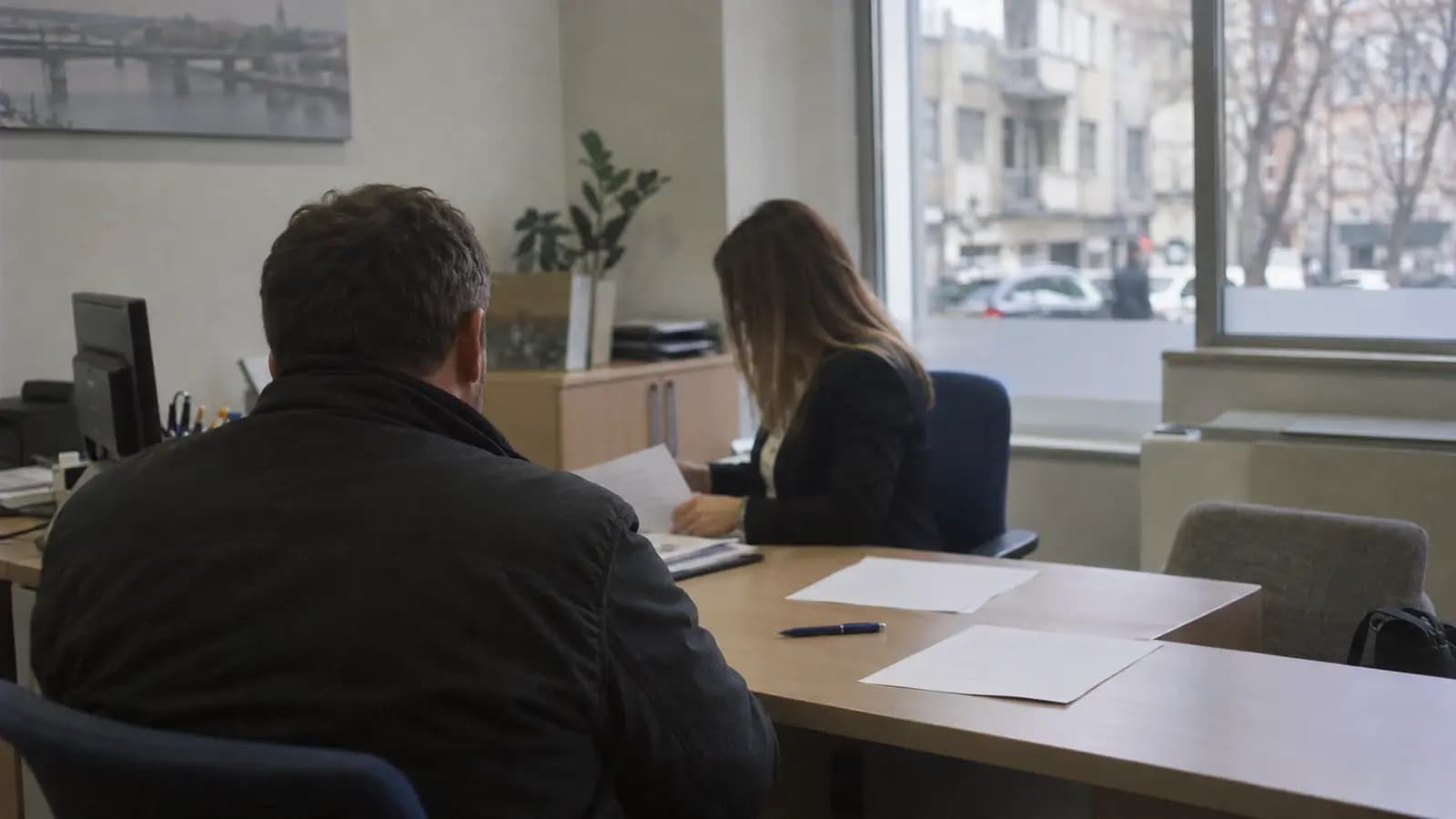
If you are moving to Belgrade, a Serbian bank account is one of the first practical things you will need. You need one to receive a salary, pay rent, apply for residence, or simply stop carrying wads of dinars. Foreigners can open one, but the rules vary a lot depending on whether you are a resident, where your passport is from, and whether you can visit a branch. This guide covers the questions people actually ask, using the banks' own published terms and the rules of the National Bank of Serbia. We checked all of it in October 2026.
Can you open a bank account in Serbia without visiting?
In most cases, no. Several Serbian banks now open accounts online with a video call that takes 10 to 15 minutes. Raiffeisen's iRačun, OTP and AIK are among them, but their own pages limit this to residents of Serbia or ask for a JMBG at the first step, which most foreigners do not have. We did not find any bank that offers online opening to non-residents.
The legal alternative is a power of attorney. Under the government's rules, a non-resident can authorise someone else to sign the account agreement and manage the account. The power of attorney must be certified by a notary. If it was signed abroad, banks usually also ask for an apostille or consular certification and a translation into Serbian by a court interpreter, and Raiffeisen says it must not be older than two years. Whether a bank accepts it for a non-resident is up to the bank, and in practice many ask to see you and your original passport. Call the branch before you send anything.
Resident or non-resident? It changes everything
Foreign nationals are non-residents during their first year in Serbia. Once you have lived here for a year on a residence permit or work visa, you become a resident: tell your bank, and it will close the non-resident account and open a resident one. Residents get the full range of products, online banking without restrictions and, eventually, loans.
A non-resident account still does a lot. You can hold dinars and foreign currencies in a current account or a deposit account. The rules set by the Association of Serbian Banks add a few things to know:
- Incoming transfers are free, and the bank does not need to check their basis.
- Depositing foreign cash above EUR 10,000 needs the customs declaration you made when you brought the money into Serbia.
- Sending money to your own account abroad needs a certificate from the Tax Administration that you owe no Serbian tax. Payments backed by an invoice or a contract do not.
- Some banks limit what non-residents can do online. OTP, for example, lets non-residents make dinar e-payments only after they show a residence or work permit, and only to utilities and public bodies.
What to bring
- Your passport (or national ID card for EU citizens);
- Proof of your stay or address in the past year: the police registration of your stay, known as the beli karton (white card), or a national ID that shows your home address. Your landlord or hotel must register you within 24 hours of arrival; if no one does, register yourself at the police station;
- Your temporary residence permit, if you have one. It is not required by law, but it makes everything easier, and with it you get an EBS, the 13-digit personal number for foreigners;
- Something that shows the source of your money, such as an employment contract or recent statements from your home bank. Banks can ask for this under anti-money-laundering rules;
- A Serbian phone number for SMS codes and mobile banking;
- If you are a US citizen or have a US address, birthplace or phone number, a W-9 form (the bank will give it to you).
Burada reklam verin
Banner'ınız burada olabilir
İnsanlar Belgrad'da zamanlarını planlamak için bu sayfayı açıyor. Mekânınızı, etkinliğinizi ya da markanızı onlara gösterin.
Which banks open accounts for foreigners?
All the large banks serve foreigners, but each publishes different terms. These are the details from their own pages.
| Bank | Non-residents | Online opening |
|---|---|---|
| Raiffeisen banka | Dinar and foreign-currency accounts; no loans or overdrafts | iRačun, residents only, no monthly fee |
| Erste Bank | Residents and non-residents; does not accept US taxpayers | Free for 12 months when opened online; eligibility not stated |
| UniCredit Bank | Residents and non-residents, with proof of stay in the past year | Available; eligibility for non-residents not stated |
| Banca Intesa | Separate non-resident dinar and foreign-currency accounts in its price list | Not checked |
| OTP banka | Non-resident accounts with limited e-banking | Video call, asks for a JMBG |
| AIK Banka | Not stated | Residents of Serbia only |
| Banka Poštanska štedionica | Non-resident dinar account, 250 RSD a month, free to open | Not found |
If you send or receive euros often, ask the branch which SEPA services it already offers (more on that below).
Serbian bank accounts for US citizens
Serbia and the United States signed a FATCA agreement on 10 April 2019, and Serbia ratified it in December 2019. Serbian banks therefore check every new client for US connections: citizenship, a US birthplace, address or phone number, or regular transfers to the US. If they find one, you sign a W-9 confirming your US tax status (or a W-8 if you are not a US person), and the bank reports your account to the US tax authorities through the Serbian Administration for the Prevention of Money Laundering.
Most banks accept US clients on that basis. The exception we found is Erste Bank, whose general terms say it does not enter into new business relationships with US taxpayers. We found no such published rule at the other large banks. Mention your US status at the start of the appointment so the branch can tell you straight away.
Digital nomads and freelancers
Serbia does not have a digital nomad visa in 2026. Remote workers either stay visa-free (90 days in any 180 for many nationalities) or apply for temporary residence, often by registering as an entrepreneur (preduzetnik), which a foreigner can do with a passport.
You need the bank account first. When you apply for temporary residence, the police accept a statement from a bank registered in Serbia, showing at least a year's minimum wage, as proof that you can support yourself. So open a non-resident account on arrival, move money into it, and use it in your residence application. If you register as an entrepreneur, including under the flat-rate paušal tax system, you also need a separate business account for your company's payments.
Opening an account as a Russian citizen
Serbian law does not set separate rules by nationality. The government's guidance says banks may not refuse a client because of their nationality, and that a bank must explain a refusal in writing if you ask. Banks may, however, refuse on the basis of their risk assessment. Since 29 January 2026 the EU has listed Russia as a high-risk country for money laundering, and most large Serbian banks belong to EU banking groups that may apply stricter checks as a result. In practice, results vary from bank to bank and even branch to branch. Bring proof of a link to Serbia (a residence permit, a rental contract, a job or a company) and documents showing where your money comes from.
The appointment, step by step
- Call or visit to confirm that the branch opens accounts for your situation (non-resident, US person and so on), and book a slot;
- Hand over your documents. The officer asks about the purpose of the account, your expected income and its source, then fills in the forms;
- Sign the account agreement and choose your currencies and package;
- Set up mobile and e-banking;
- Collect your debit card at the branch or receive it by post; ask how long it takes, as it varies by bank.
Residents often leave with a working account the same day. For non-residents, allow several working days while the bank completes its checks.
Cards, currencies and instant payments
Serbia runs on the dinar (RSD), and you can also hold euros, dollars, pounds, Swiss francs and other currencies quoted on the Serbian market. Your everyday card will usually be a Visa or Mastercard. Banks also issue DinaCard, the national card scheme, which works only inside Serbia.
The National Bank of Serbia's IPS instant payment system has run since October 2018. It settles dinar payments in seconds, 24 hours a day, up to 300,000 RSD per payment, through your banking app, IPS QR codes on bills and shop terminals. Whether IPS works on a non-resident account depends on the bank.
SEPA: euro transfers since May 2026
Serbia was added to the Single Euro Payments Area (SEPA) on 22 May 2025, and Serbian banks started sending and receiving SEPA euro transfers on 5 May 2026. A SEPA transfer arrives the same business day or the next, and costs less than the old SWIFT route. At Yettel Bank, for example, an outgoing SEPA payment costs 0.4% of the amount against 0.7% by SWIFT. Instant SEPA payments are being added bank by bank. SEPA does not change Serbia's foreign exchange rules, so the documents and tax certificate described above still apply.
What it costs
- Opening an account is usually free.
- Monthly fees range from nothing (online offers for residents at Raiffeisen, Erste and AIK) to a few hundred dinars. Banks that publish a separate non-resident price charge about 220 to 250 RSD a month for a dinar account.
- Transfers abroad, card fees and currency exchange cost extra; check the bank's price list (tarifa naknada) before you sign.
- Deposits are insured up to EUR 50,000 per person per bank, for residents and non-residents alike.
If you cannot come to Serbia yet
Keep your home or EU account for now. Wise can send money to Serbian dinar accounts, but people who live in Serbia cannot hold a Wise balance or get a Wise card. When you arrive, register your stay, open a non-resident account in person, and switch to a resident account once you qualify.
Bilmekte fayda var
Frequently asked questions
Can I open a bank account in Serbia without visiting?
Usually not. Online opening by video call is offered only to Serbian residents or people with a Serbian personal number. A non-resident can use a notarised and apostilled power of attorney, but each bank decides whether to accept it, so ask the branch first.
Can a non-resident open a bank account in Serbia with just a passport?
The law allows it, but you also need proof of your stay or address in the past year, such as your police registration (white card). Non-residents cannot get loans or overdrafts, and banks can refuse after their risk checks.
Can US citizens open a bank account in Serbia?
Yes. Most banks accept US citizens and ask them to sign a W-9 form under the FATCA agreement. Erste Bank is the exception: its general terms say it does not take US taxpayers as new clients.
Does Serbia have a digital nomad visa?
No. Remote workers stay visa-free or apply for temporary residence, often as registered entrepreneurs. A statement from a Serbian bank account can be used as proof of funds in the application.
Can Russian citizens open a bank account in Serbia?
Yes, there is no nationality-based ban, and banks must explain a refusal in writing on request. Because most large banks belong to EU groups that may apply stricter checks to Russian clients since January 2026, bring proof of residence or another link to Serbia and of the source of your funds.
Can I receive SEPA transfers into a Serbian account?
Yes. Since 5 May 2026 Serbian banks send and receive SEPA euro transfers, which arrive the same or next business day and cost less than SWIFT.
1 Ekim 2026 tarihinde kontrol edildi
Bu rehber işine yaradı mı?
Eskimiş bilgiyi bildir