Slava and Orthodox Christmas: Understanding Serbian Traditions
Slava and Orthodox Christmas are the heart of the Serbian calendar. This guide explains the family patron saint feast, the January Christmas and how to take part respectfully.


Belgrade Life ekibi
24 Temmuz 2026 tarihinde yayınlandı
Two traditions at the centre of Serbian life
If you want to understand Serbia beyond its cafes and monuments, start with two traditions: the slava and Orthodox Christmas. Both are religious in origin but woven deep into family and social life, and both shape what is open, who is celebrating and how people greet each other at certain times of year. Neither is a tourist event, but visitors are often welcomed into them, and knowing the basics lets you take part without causing offence.
The slava: a family's patron saint
The slava is the celebration of a family's patron saint, a custom specific to Serbs and recognised by UNESCO as intangible cultural heritage in 2014. Each family inherits one saint through the male line, marking the saint on whose day their ancestors are said to have accepted Christianity. It passes from father to children, so a slava is less a birthday than a link back through the generations.
What happens at a slava
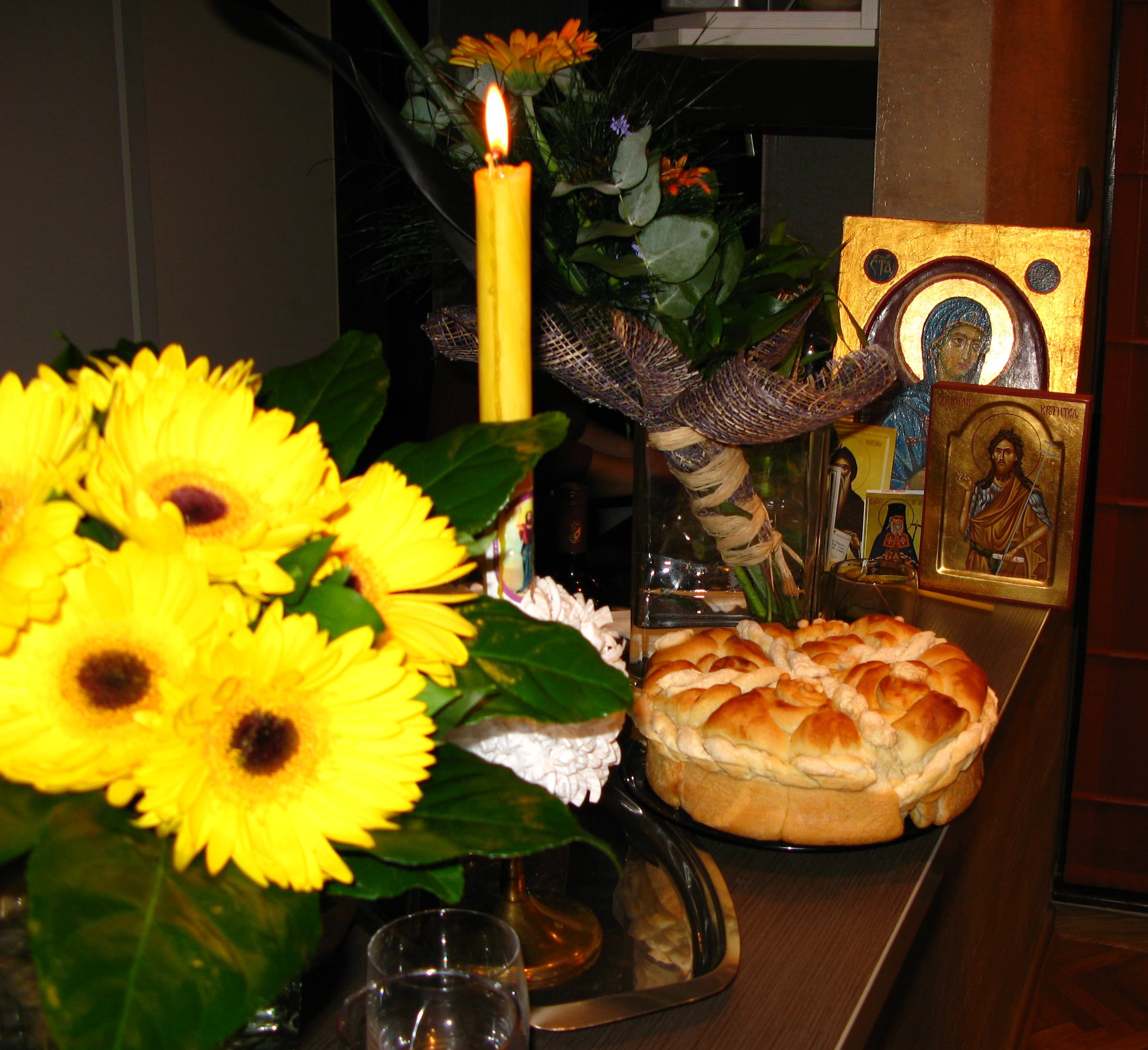
The home is the setting. Central to the day are three things: the slavski kolač, a round decorated bread that is blessed and ceremonially turned or broken, usually with a priest; koljivo (also called žito), boiled sweetened wheat with walnuts that commemorates the family's dead; and a lit slava candle. A little wine and incense complete the blessing. After the ritual, the table opens and guests are fed generously.
Common slava days
- Nikoljdan (St Nicholas, 19 December) is the most common slava of all.
- Đurđevdan (St George, 6 May) is a spring favourite.
- Jovanjdan (St John, 20 January), Aranđelovdan (St Michael, 21 November) and Sveti Sava (27 January) are also widespread.
Some slavas fall in fasting periods, so the food may be entirely meat-free (posna) rather than the usual roast and rich dishes. In the old custom you do not strictly need an invitation to a slava, but bring a small gift such as wine, coffee or flowers, and do not arrive empty-handed.
Orthodox Christmas: the January feast
The Serbian Orthodox Church follows the old Julian calendar, so its Christmas (Božić) falls on 7 January rather than 25 December. It is a public holiday and a deeply family-centred one, quieter and less commercial than the Western Christmas that Serbs also enjoy around the New Year.
Christmas Eve and the badnjak
The heart of the celebration is Christmas Eve, 6 January, called Badnje veče. Families bring home a badnjak, young oak branches that stand in for the Yule log. In the evening people gather outside churches, where the oak branches are burned in a large bonfire, and the fire outside the Temple of Saint Sava in Belgrade draws big crowds. The traditional greeting from Christmas morning is Hristos se rodi (Christ is born), answered with Vaistinu se rodi (Truly He is born).
Christmas foods
The Christmas table centres on česnica, a round bread with a coin baked inside; whoever finds the coin is promised luck for the year. Roast pork, sarma (stuffed cabbage rolls) and rich cakes follow, after the weeks of Advent fasting that precede the feast.
Burada reklam verin
Banner'ınız burada olabilir
İnsanlar Belgrad'da zamanlarını planlamak için bu sayfayı açıyor. Mekânınızı, etkinliğinizi ya da markanızı onlara gösterin.
One more new year
Because of the same calendar difference, many Serbs also mark the Serbian New Year on the night of 13 to 14 January, an informal, cheerful occasion with concerts and fireworks in central Belgrade. It is a good-natured excuse to celebrate the turn of the year a second time.
How to take part respectfully
- If invited to a slava, bring a modest gift and let your hosts lead the ritual; you are not expected to be Orthodox to attend.
- Learn the Christmas greeting, because using Hristos se rodi at the right moment is genuinely appreciated.
- Expect shops, offices and services to be closed or reduced on 7 January.
- In churches, dress modestly, keep quiet during services and ask before photographing people.
Bilmekte fayda var
24 Temmuz 2026 tarihinde kontrol edildi
Bu rehber işine yaradı mı?
Eskimiş bilgiyi bildir