Coffee Culture in Belgrade: Where and How the Locals Drink It
In Belgrade, coffee is a ritual, not a rush. From the copper džezva and centuries-old kafanas to Dorćol's new specialty roasters - here's where locals drink, what to order, and what it costs.


By the Belgrade Life team
Published 10 July 2026
On this page: 8 sections
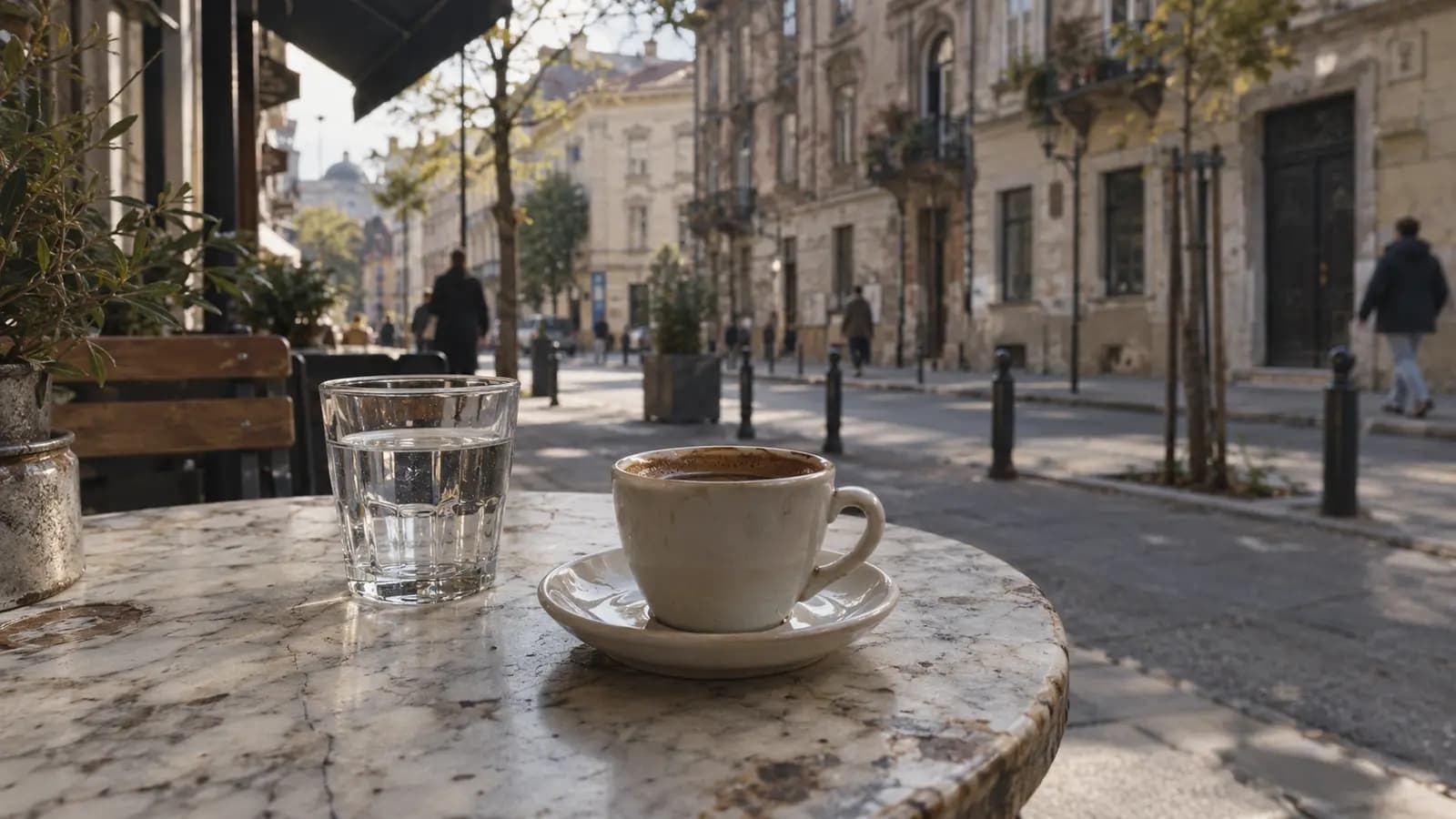
In Belgrade, coffee is less a drink than a way of keeping time. Locals don't grab a cup and rush off - they sit, sometimes for hours, letting one small cup stretch across a whole conversation. Learning how the city drinks its coffee is one of the fastest ways to feel less like a visitor and more like a neighbor.
"Idemo na kafu": coffee as a social ritual
The phrase you'll hear constantly is idemo na kafu - "let's go for a coffee." It rarely means anyone is thirsty. Going na kafu is how people flirt, close deals, mend friendships, and pass a slow afternoon. One cup can easily last an hour or two, and no waiter will rush you or drop the bill on your table uninvited. If someone invites you na kafu, they are really inviting you to spend time.
Domaća kafa: the cup that started it all
The traditional Belgrade coffee is domaća kafa ("homemade coffee"), also called turska kafa (Turkish coffee) or crna kafa (black coffee). Finely ground beans are simmered with water - and sugar, if you like - in a small long-handled copper pot called a džezva, then poured, grounds and all, into a tiny cup with a thick foam on top.
Two rules matter. First, let it settle for a minute so the grounds sink. Second, don't drink to the very bottom - the last sip is silt. It almost always arrives with a glass of water and often a small sweet, so you sip, chat, and let it cool.
Good to know
The kafana: coffee's oldest address
The Ottomans brought coffee when they took Belgrade in 1521, and with it the kafana - a smoky, convivial tavern that has been the social heart of the city for five centuries. Belgrade still has hundreds of them. A kafana serves domaća kafa alongside rakija (fruit brandy), draft beer, grilled meat, and, often, live folk music. If the band plays, custom is to tip them around 500 dinars per song. It's the most atmospheric place to understand why coffee and company are inseparable here.
Advertise here
Your banner could be here
People open this page to plan their time in Belgrade. Put your venue, event or brand in front of them.
The new wave: Belgrade's specialty coffee scene
Over the past decade a serious specialty-coffee culture has grown up alongside the tradition, concentrated in Dorćol, Savamala, Vračar, and the courtyards of Cetinjska. A few worth seeking out:
- Pržionica / D59B (Dobračina 59b, Lower Dorćol) - the micro-roaster that helped launch the movement back in 2012.
- Aviator Coffee Explorer (near Terazije) - a compact bar built around a rotating "coffee of the day."
- Kafeterija - a homegrown mini-chain with several locations, dependable espresso, and good breakfasts.
- Koffein (Vračar, Novi Beograd) - a summer favorite for iced lattes and matcha.
- Koppa and similar micro-roasters for filter and single-origin cups.
For a fuller map, the European Coffee Trip guide to Belgrade is a reliable starting point.
How to order like a local
A friendly Dobar dan ("good day") goes a long way. Then:
- Jednu domaću kafu, molim - one traditional coffee, please
- Kafa sa mlekom - coffee with milk (closer to a latte or flat white)
- Espreso, produžena (lungo), makijato, kapućino
- Sa šećerom / bez šećera - with / without sugar
- Nes or bela kafa - instant or white coffee, still common in older spots
Prices, payment, and tipping (as of 2026)
Coffee is a bargain. As of 2026, expect roughly 150–220 dinars (about €1.30–1.90) for an espresso or domaća kafa, and 250–350 dinars for a cappuccino or specialty drink - even in the stylish places it rarely tops a few hundred dinars. Prices are in Serbian dinars (RSD); the dinar trades at roughly 117 to the euro.
Cards (Visa and Mastercard, contactless, Apple and Google Pay) are widely accepted in central cafes, but carry some cash - smaller kafanas, kiosks, and to-go windows may be cash-only. Tipping is modest: round up the bill (say 310 → 350), leave about 10% if you've settled in for a while, and in a kafana with live music, slipping the band around 500 dinars for a song is tradition.
A few habits that help you blend in
- Don't rush. Lingering is the whole point; the waiter won't bring the bill until you ask (Račun, molim).
- Take the water. That glass beside your cup is intentional - sip it between mouthfuls of coffee.
- To-go is the exception. Belgrade is warming to takeaway cups, but the local instinct is to sit. When in doubt, stay.
- Smoking. Many cafes and kafanas still allow indoor smoking; if you're sensitive to it, ask for a nonsmoking area or take a seat on the terrace.
Places in this guide
Pržionica (D59B)
Cafes, Dorćol


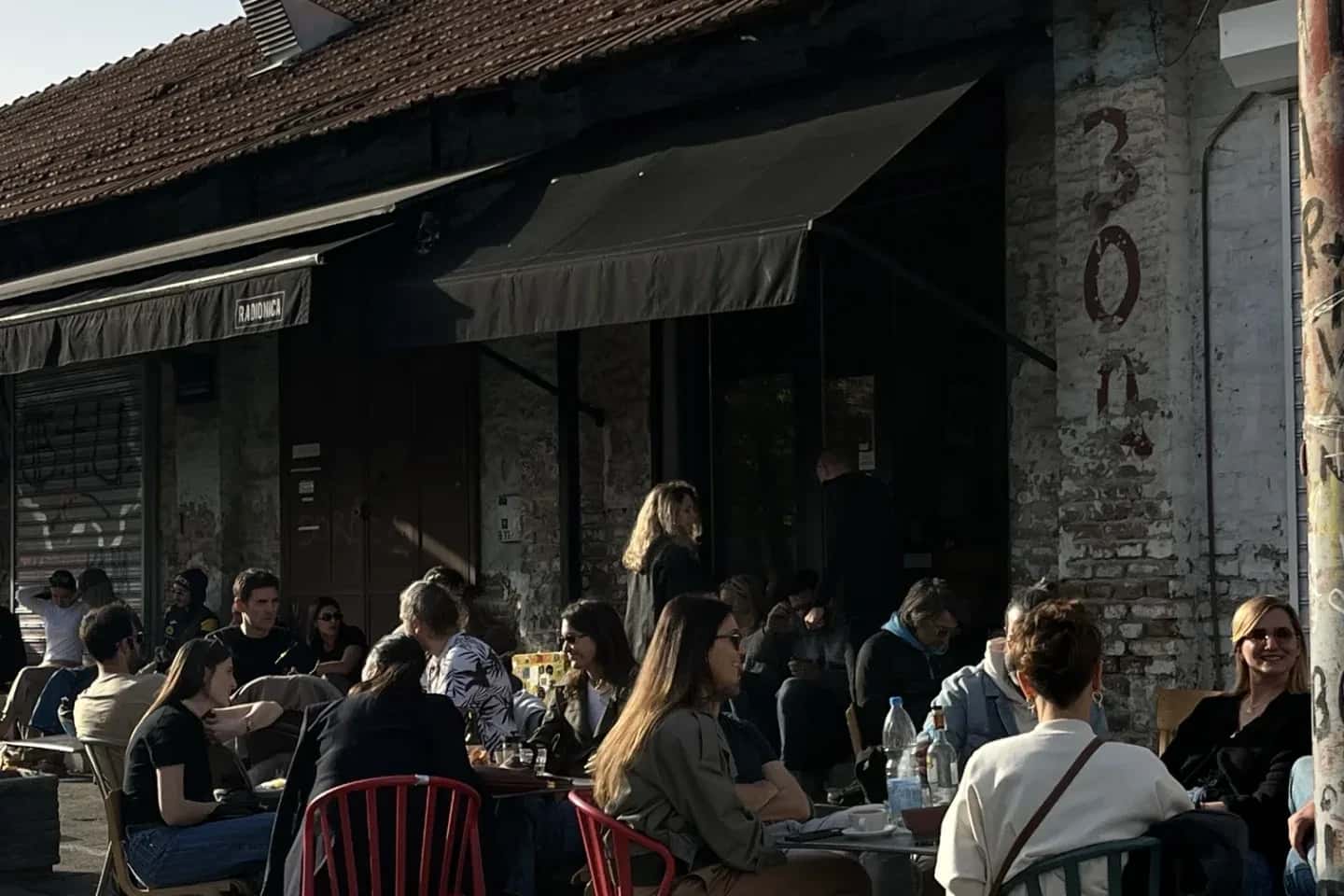
Pržionica is widely credited as the pioneer of Belgrade's specialty coffee scene, opening in Lower Dorćol in 2012 with its own on-site roastery.

Aviator Coffee Explorer
Cafes, Dorćol
A long running Dorcol coffee house on Gundulicev venac where the arabica is sourced from Latin America, Africa, India and the Far East and brewed d…
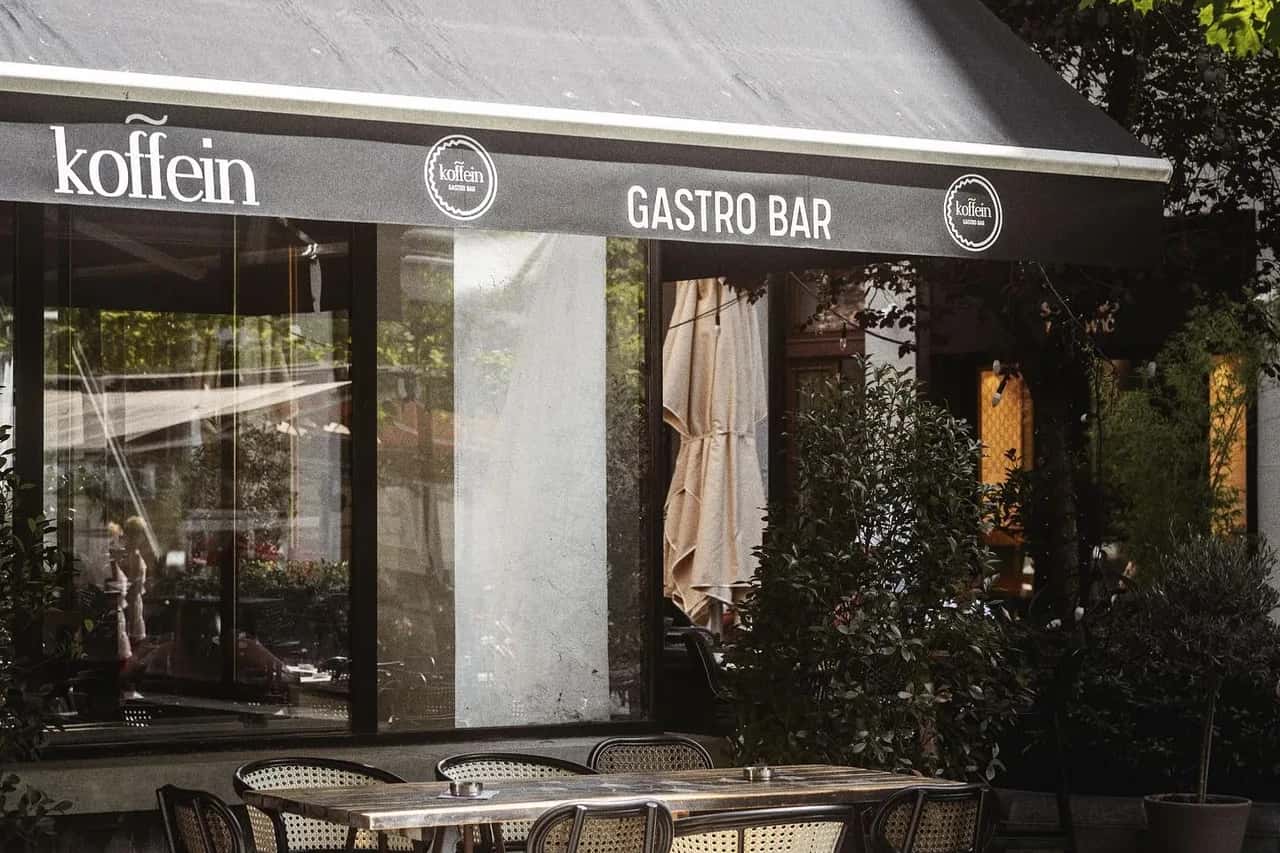
Koffein
Cafes, Stari Grad
A beloved coffee shop just off the Knez Mihailova pedestrian zone that roasts its own arabica beans on the premises.
Checked 10 July 2026
Was this guide useful?
Report outdated info