A Food Lover's Guide to Serbian Cuisine
From sizzling ćevapi and stuffed karađorđeva šnicla to homemade rakija and kafana rituals, here is how to eat, drink, and toast your way through Belgrade like a local in 2026.


By the Belgrade Life team
Published 10 July 2026
Serbian food is generous, meat-forward, and made for sharing. It draws on Ottoman, Austro-Hungarian, and Mediterranean kitchens, then makes each borrowed idea unmistakably its own. Portions are large, ingredients are seasonal, and almost everything tastes better with a spoon of something creamy on the side. Here is how to order, drink, and eat your way through Belgrade with confidence.
Roštilj: the grill is king
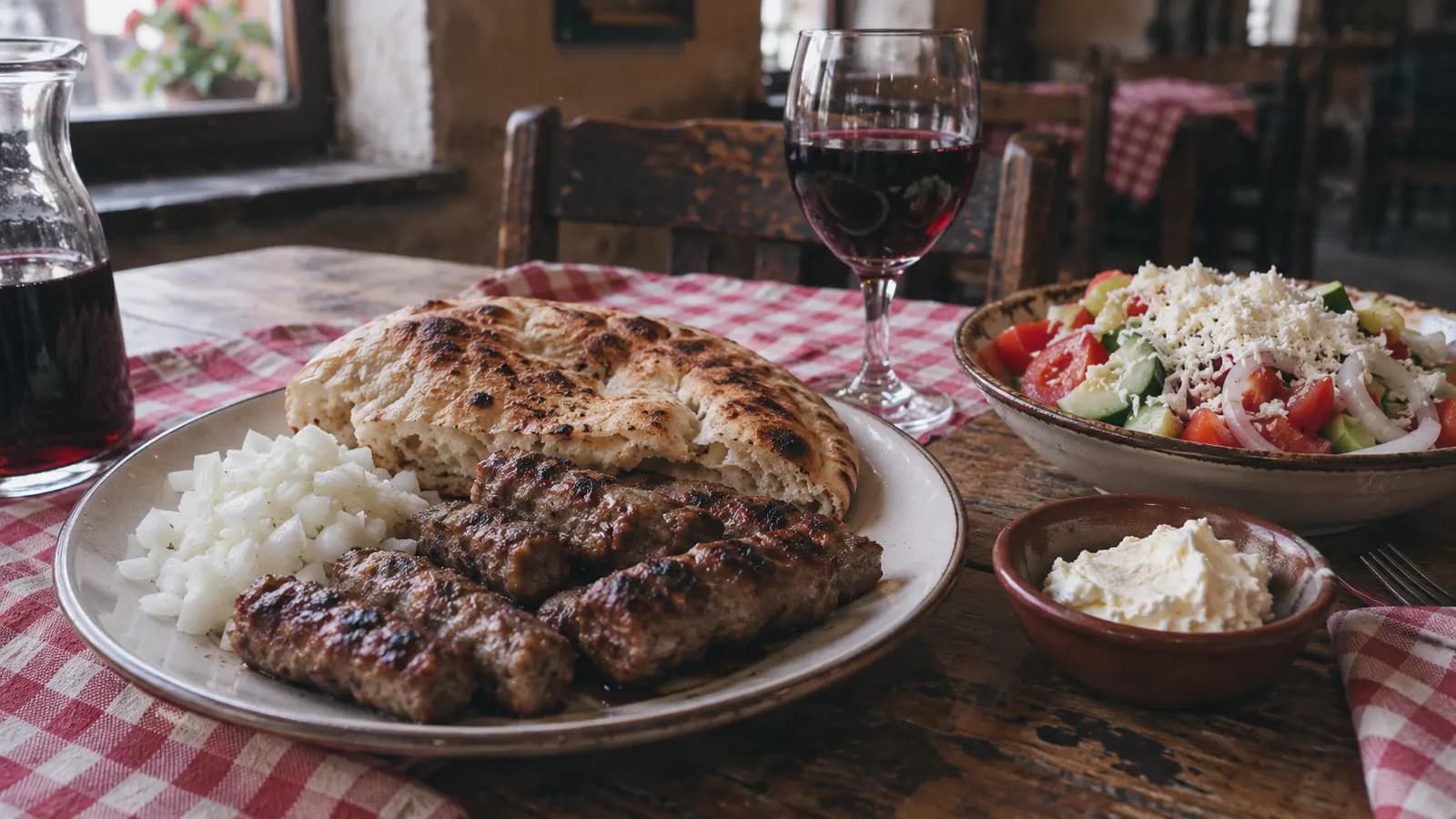
Nothing anchors Serbian cooking like roštilj, the grill. Begin with ćevapi: small skinless minced-meat sausages, usually a beef-and-pork blend, served five or ten to a plate inside warm lepinja flatbread with raw onion and a spoon of kajmak, a rich clotted-cream cheese. Pljeskavica is the same mince pressed into a wide patty, sometimes stuffed with cheese or ajvar. The showstopper is karađorđeva šnicla, a rolled veal or pork cutlet filled with kajmak, breaded and deep-fried, and served with tartare sauce. Order a side of ajvar, the roasted red-pepper relish Serbs jar by the crate every autumn.
Home-cooked classics
Beyond the grill lies the food Serbian grandmothers actually cook. Sarma, minced meat and rice rolled in pickled cabbage leaves and slow-simmered with smoked meat, is winter comfort in a bowl. Mućkalica is a smoky stew of grilled leftover meat and peppers, while prebranac, slow-baked white beans with paprika, is the humble dish everyone secretly loves. For the table, share gibanica, a flaky cheese pie of layered phyllo and eggs, and proja, a savoury cornbread. Nearly every meal opens with čorba or supa, a light or thickened soup that Serbs treat as an essential first course, not an afterthought.
Pekara: your cheapest, best meal
The pekara (bakery) is the beating heart of Serbian eating, often open early and sometimes around the clock. The star is burek, a coil of flaky phyllo filled with meat, cheese, or spinach, traditionally paired with a cup of drinking yoghurt. It is the classic Belgrade breakfast and, at roughly 200 to 400 dinars (about 2 to 3.50 euros as of 2026), one of the best-value meals in Europe. Look also for uštipci, small fried dough balls served with cheese and ajvar, and popara, a soft, nursery-style dish of day-old bread softened with milk and kajmak.
Advertise here
Your banner could be here
People open this page to plan their time in Belgrade. Put your venue, event or brand in front of them.
Rakija and the art of the toast
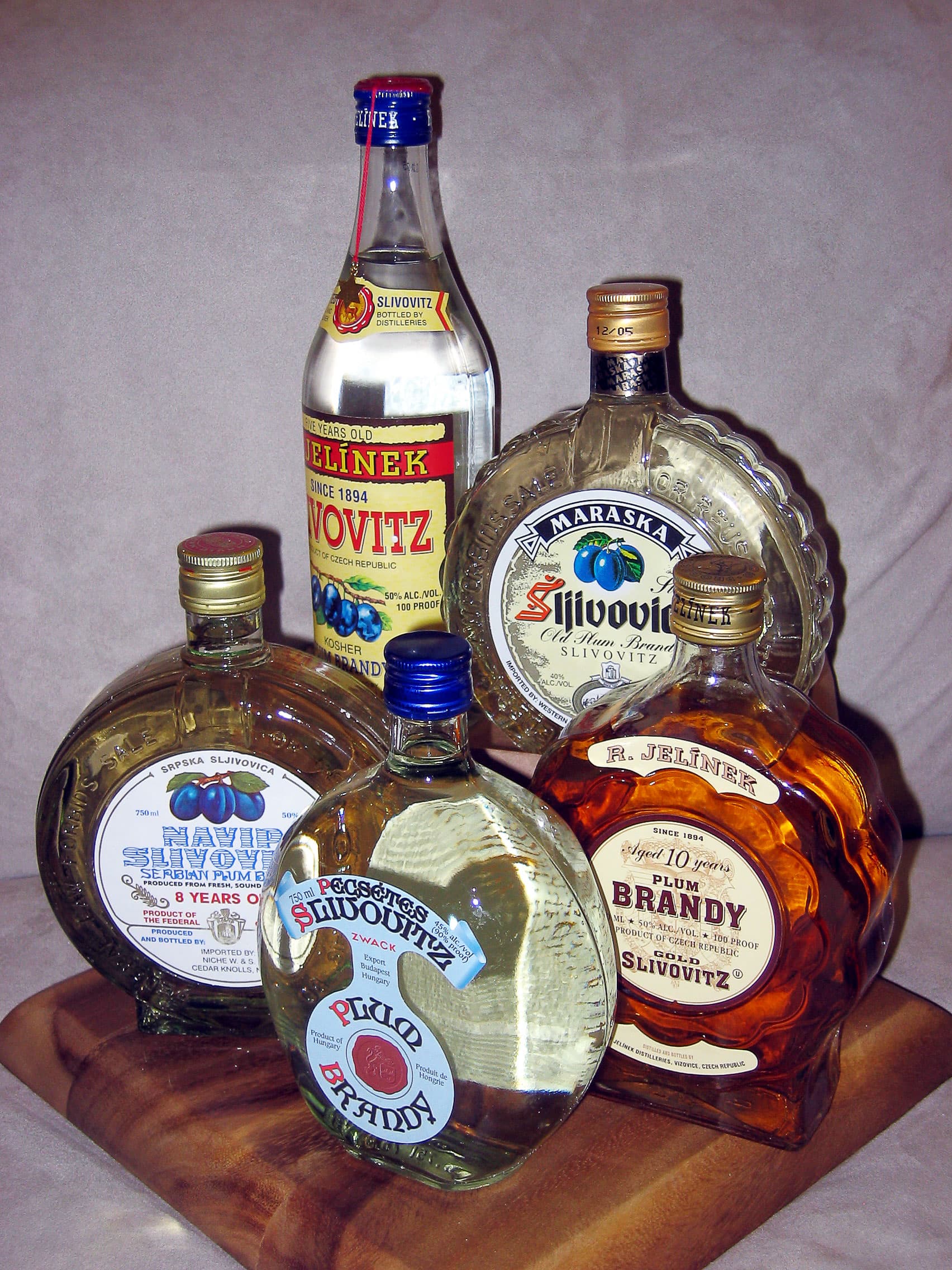
You cannot understand Serbian hospitality without rakija, a potent fruit brandy that appears at celebrations, farewells, and quiet evenings alike. Šljivovica, made from plums, is the national spirit, but you will also meet dunjevača (quince), kajsijevača (apricot), viljamovka (pear), and herb-infused travarka. A few rules keep you in good company: rakija is sipped, never shot like a chaser, and never, ever mixed with cola. It arrives in a small glass called a čašica. When you toast, say „Živeli!" (to life) and hold eye contact as you clink; looking away is considered rude, and superstition promises years of bad luck for the careless.
Coffee and something sweet
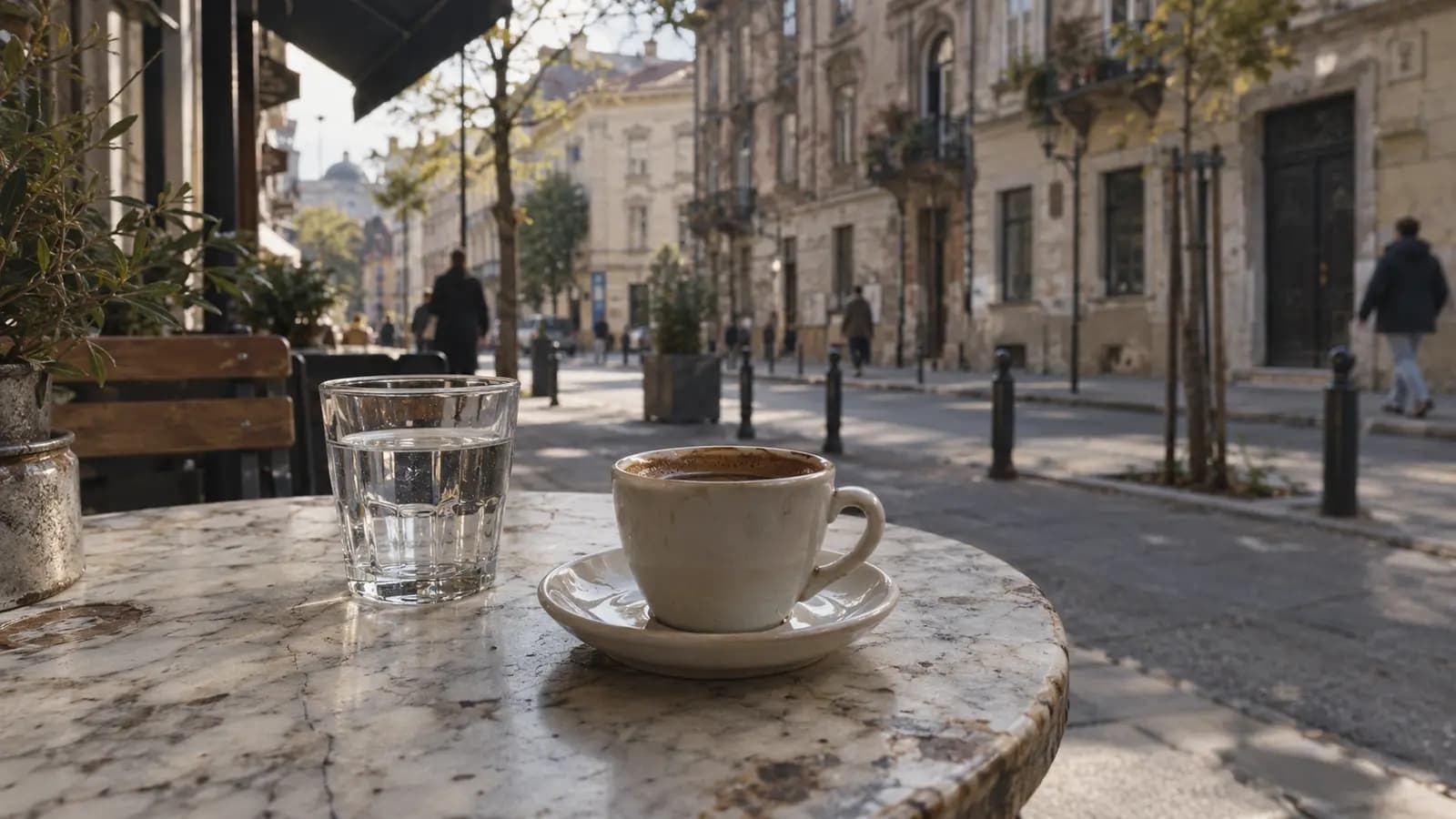
Serbs take coffee slowly. Domaća kafa ("domestic coffee") is unfiltered Turkish-style coffee brewed in a small copper pot called a džezva and served with the grounds left to settle, ideally beside a glass of water and an unhurried afternoon. For dessert, chase it with tulumbe, ridged syrup-soaked fritters with Ottoman roots; palačinke, thin crêpes rolled with walnuts, chocolate spread, or jam; or tufahije, walnut-stuffed poached apples in syrup. None of it is subtle, and that is the point.
Where to eat, from kafana to Michelin
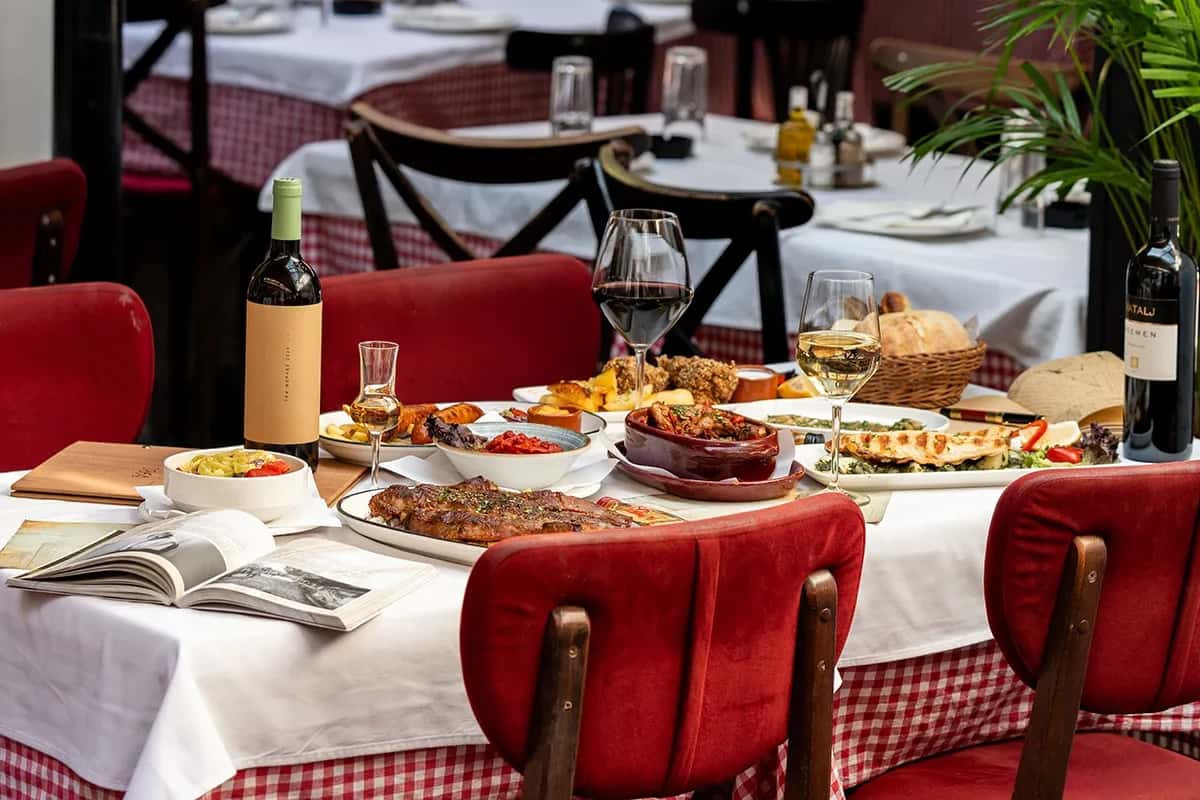
The kafana is the soul of Serbian dining: part tavern, part living room, part late-night party. The bohemian cobbled street of Skadarlija is the obvious starting point, home to institutions like Tri Šešira, serving grilled classics with live tamburaši (folk musicians) for well over a century. Expect huge plates, roaming accordion players, and no rush to bring the bill. For a modern angle, Belgrade has become a hub of "new Balkan" cooking, with kitchens such as Iva New Balkan Cuisine reinventing traditional recipes. The city's fine-dining scene is now mapped by the MICHELIN Guide Belgrade, whose 2026 edition recognises a growing roster of recommended restaurants. Book ahead for dinner on weekends.
What it costs, and how to tip (as of 2026)
Belgrade remains excellent value. With the dinar hovering around 117 RSD to the euro, a bakery breakfast runs 200 to 400 RSD, a generous grill plate 500 to 900 RSD (roughly 4 to 8 euros), a hearty kafana main around 1,000 to 1,600 RSD, and a shot of rakija or a domaća kafa 150 to 400 RSD. Sit-down mains at modern or upscale restaurants typically land between 1,500 and 2,500 RSD (about 13 to 21 euros). Card payment is widely accepted, but carry some cash for pekaras and neighbourhood spots.
Good to know
Come hungry, pace yourself, and let a local order for you at least once. In Belgrade, a meal is never only about the food; it is an invitation to stay a while.
Places in this guide
Tri Šešira
Restaurants, Stari Grad


Tri Šešira (Three Hats) is one of the oldest and most famous kafanas in the bohemian Skadarlija quarter, opened in 1864.
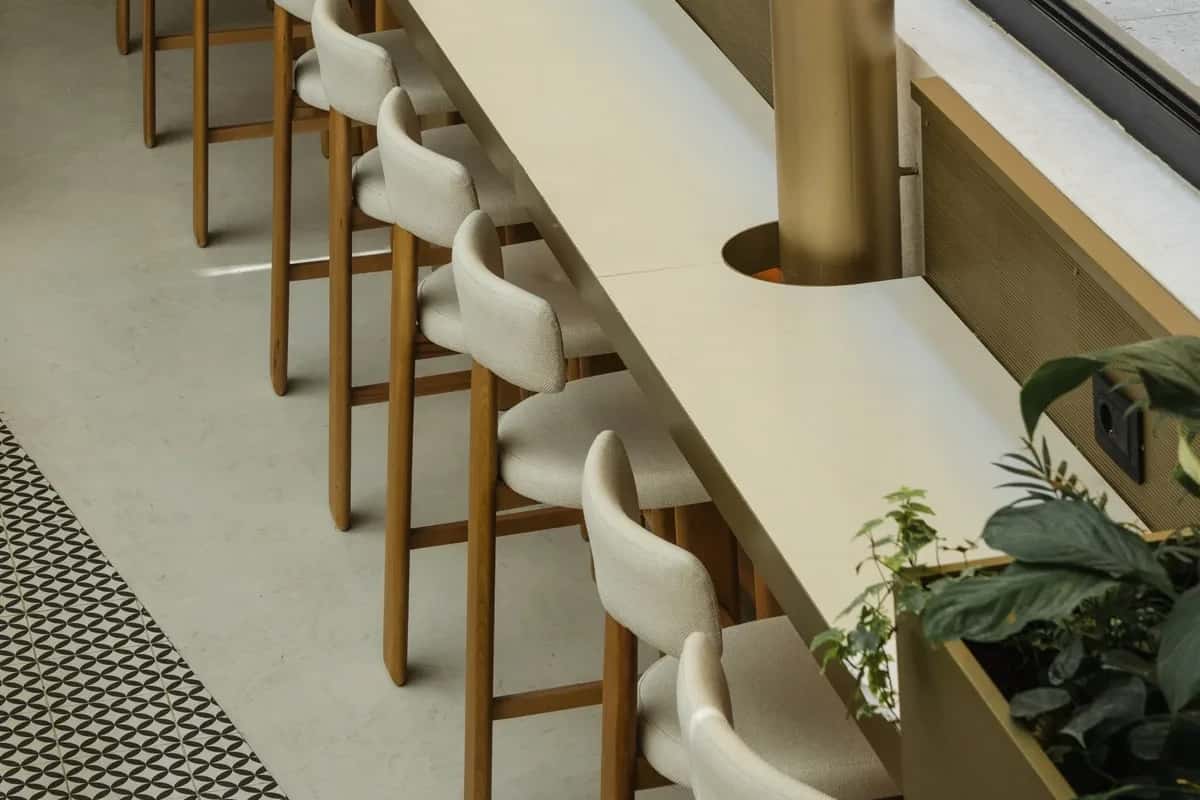
Iva New Balkan Cuisine
Restaurants, Vračar
Iva is the more casual, all-day sister of Vanja Puškar's New Balkan Cuisine and holds a Michelin Bib Gourmand.
Checked 10 July 2026
Was this guide useful?
Report outdated info