Belgrade Nightlife Decoded: Splavovi, Clubs and Kafanas
Belgrade runs three nightlife scenes at once: floating summer splavovi, indoor techno clubs, and old-school kafanas. Here's how each one works - what to wear, what to pay, and how to get home.


By the Belgrade Life team
Updated 25 July 2026, first published 10 July 2026
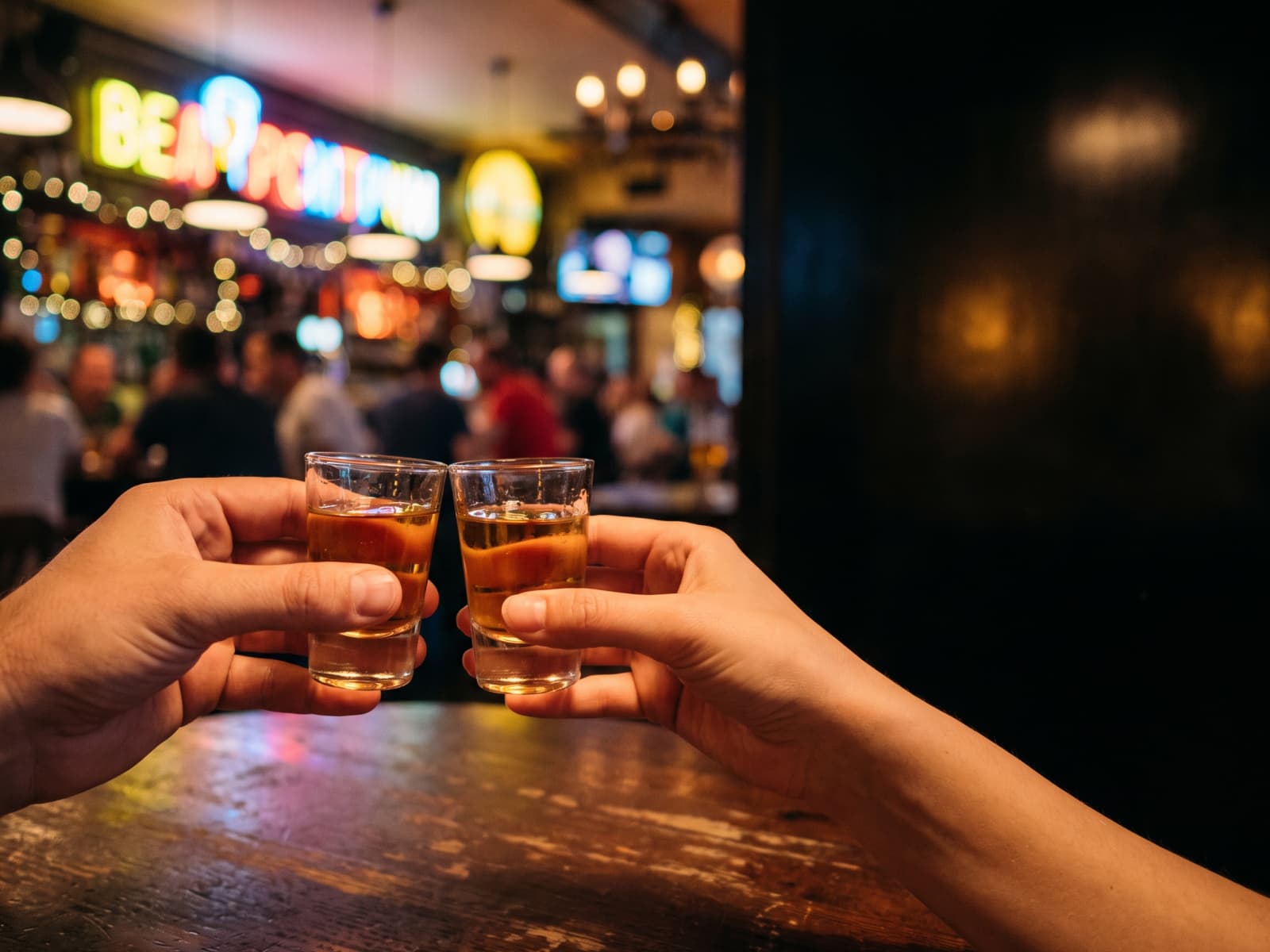
Belgrade doesn't have one nightlife scene so much as three, running in parallel and often inside a single evening. You can start with grilled meat and a live accordion in a 19th-century tavern, drift to a floating club on the Sava for house music at 2 a.m., and end up in a converted slaughterhouse watching the sun come up over a techno set. Knowing which world you're stepping into - and how each one works - is the difference between a legendary night and standing at a rope wondering why you're not being let in.
The Three Worlds: Splav, Club, Kafana
Locals sort their nights into three broad categories. Splavovi (singular splav) are floating clubs and bars moored along the rivers - the loud, glamorous, summer heart of the city. Clubs proper are the indoor venues, from commercial dance floors to serious techno warehouses that carry the scene through winter. Kafanas are the old-school taverns: rakija, hearty food, and live traditional music, where the night is about singing along rather than dancing. Most memorable Belgrade evenings borrow from at least two.
Splavovi: The Floating Summer Season
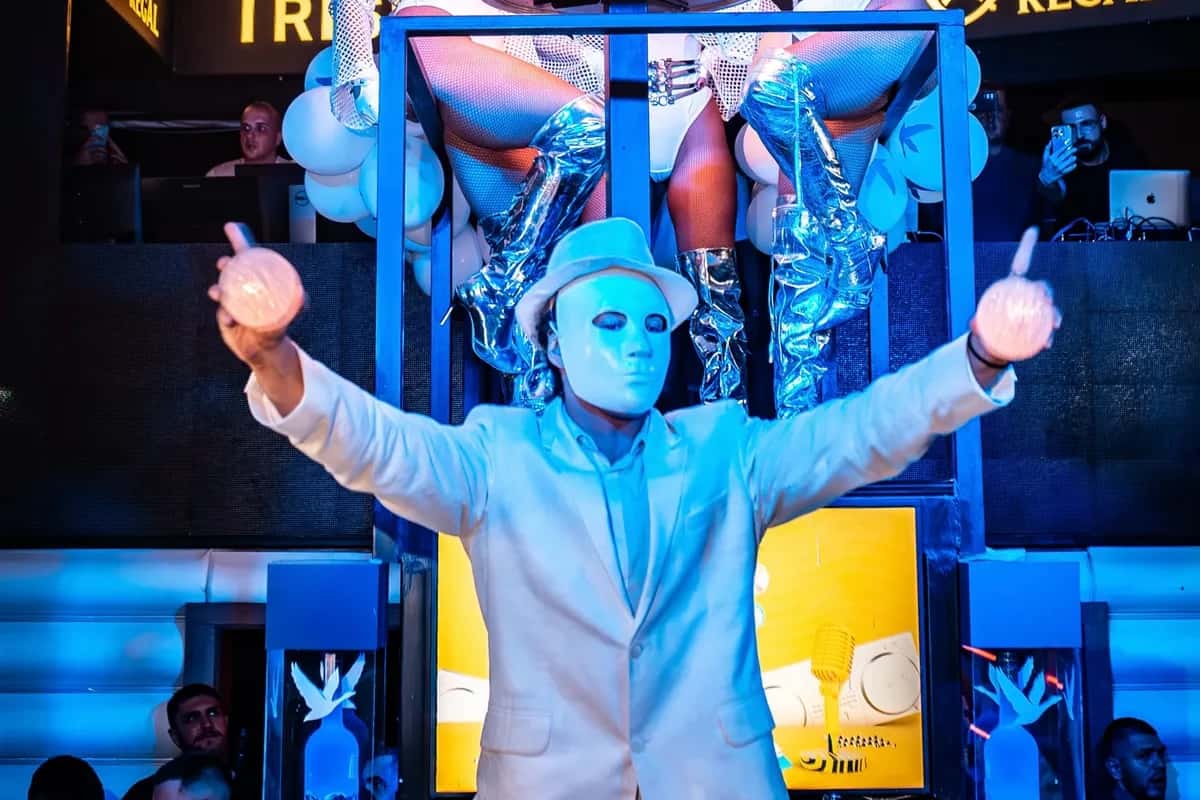
The splavovi are Belgrade's signature, and they are strictly seasonal. The open-air river-club season runs roughly May to late September; outside those months the rafts either close or shrink into indoor winter siblings. They cluster in two zones: the Sava strip (historically around Blok 45 and the old fairground, Staro Sajmište), which leans toward big, flashy EDM and Balkan-pop rooms like Freestyler, Lasta and Sindikat; and the Danube side near Zemun, which tends to be a touch more relaxed. Leto, at the confluence of the two rivers, is a reliable name for R&B and disco.
One important 2026 caveat: since 2025, a riverbank clean-up and redevelopment programme has forced many rafts to move - some temporarily, some for good - and exact moorings have been shifting from one season to the next. Don't rely on last year's address. Check a venue's own Instagram in the days before you go, because that is where Belgrade clubs actually publish their current location, line-up and reservation contact.
Clubs: Techno Temples and the Winter Scene
When the rivers cool, the party moves indoors, largely to Savamala, Beton Hala and the centre. Belgrade's electronic reputation rests on venues like Drugstore, a former slaughterhouse turned raw techno cathedral that draws international DJs and stays open scandalously late. Cultural centres such as KC Grad and Dorćol Platz blur the line between club, gig space and art venue, hosting DJ nights alongside concerts and markets. As a rule the indoor season runs October to April, mirroring the splav calendar in reverse.
Advertise here
Your banner could be here
People open this page to plan their time in Belgrade. Put your venue, event or brand in front of them.
Kafanas: Where the Night Slows Down
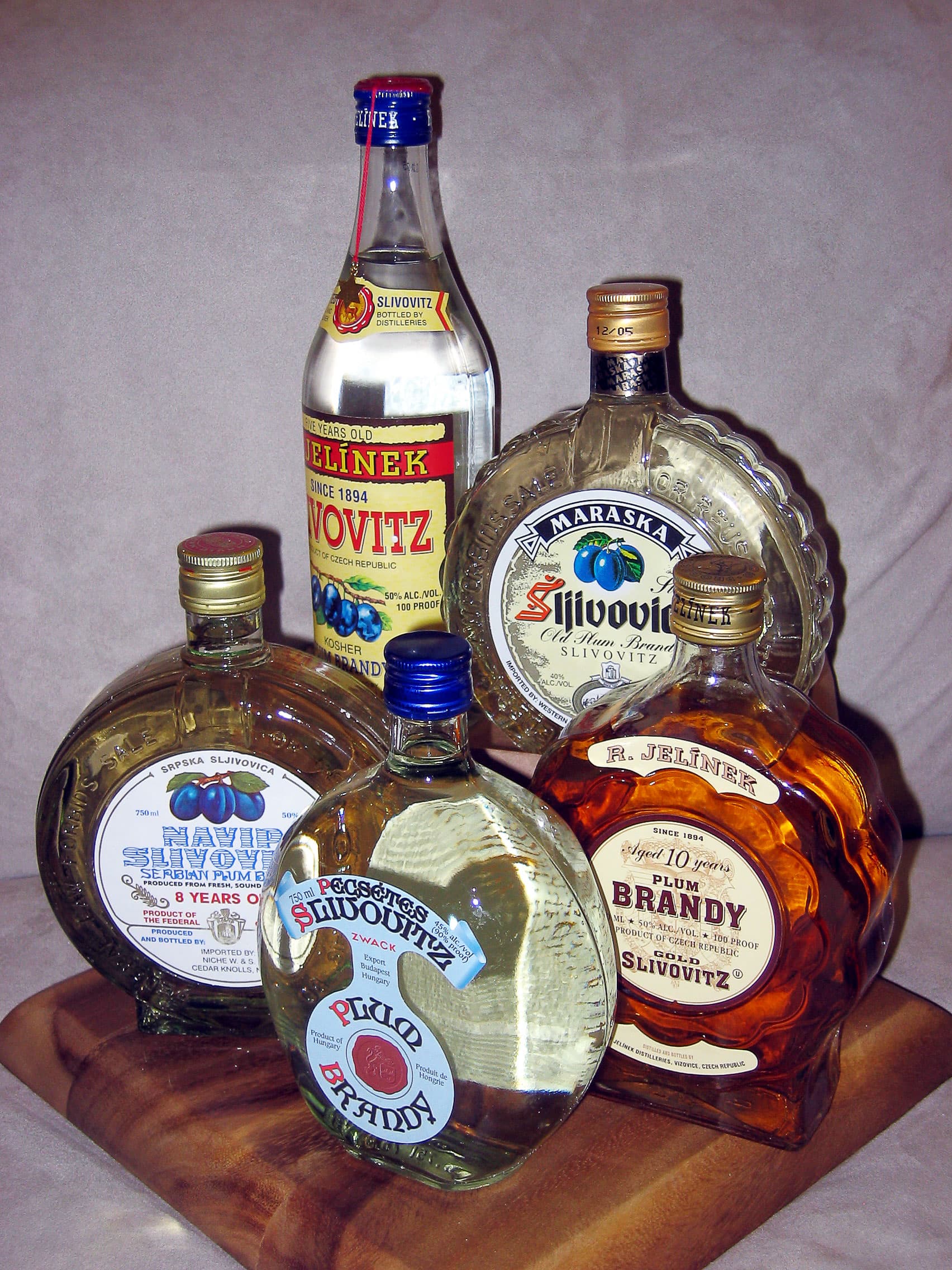
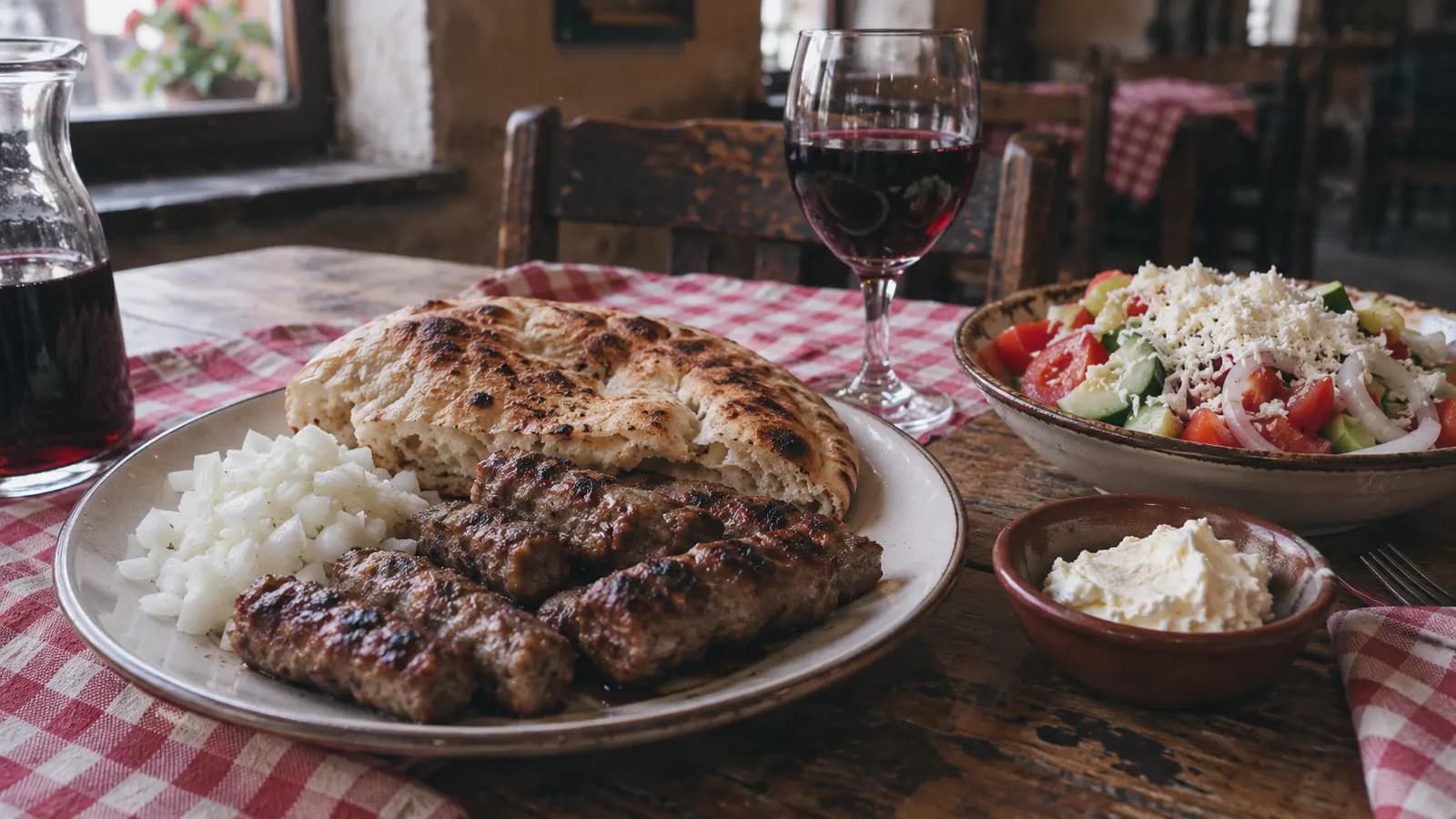
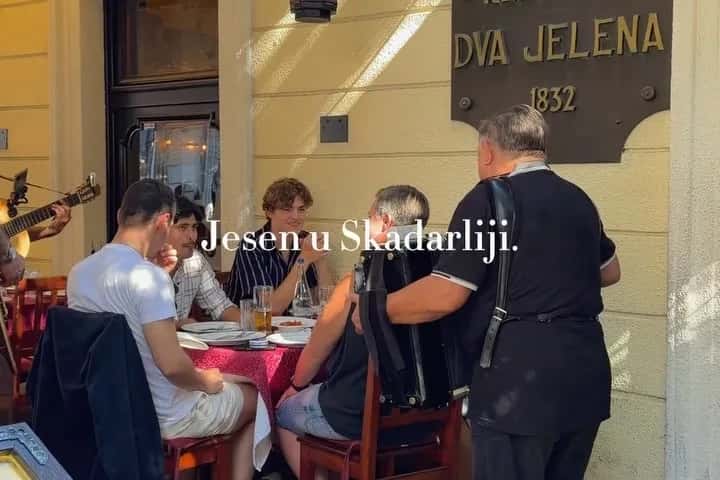
For the oldest version of a Belgrade night, head to Skadarlija, the cobbled bohemian quarter that has been the city's kafana heartland since the 1800s. Institutions like Dva Jelena (Two Deer, serving since 1832) and Tri Šešira (Three Hats, 1864) still fill nightly with the smell of grilled meat and the sound of tamburaši - strolling bands that move table to table. Order a bottle of rakija, request a song, and follow the local custom of tipping the musicians - around 500 RSD per song is normal. This is a slower, warmer, sing-along kind of night, and it's the one visitors most often remember.
Getting In: Face Control, Dress and Reservations
Upscale splavovi and clubs run face control - a door policy that judges dress, group composition and, sometimes, whether you booked. The safe standard is smart casual: clean sneakers are fine, but leave tracksuits, sportswear, flip-flops and beachwear at home. All-male groups have the hardest time; couples and mixed groups sail through. Age limits vary by venue, commonly 18+ but sometimes 21+ or even 23+, so carry a passport or ID card. For the popular rooms, a table reservation is close to mandatory on weekends - arrange it in advance through the venue's Instagram or WhatsApp. Bar-table minimum spends typically start around 50–60 EUR, and bottle service from roughly 100 EUR upward.
Money, Prices and Getting Home
Serbia's currency is the dinar (RSD); as of 2026, roughly 117 RSD to the euro. Cards are widely accepted, but carry some cash for tips, smaller kafanas and taxis. When a card terminal offers to charge you in euros instead of dinars, always decline that conversion and pay in RSD - "dynamic currency conversion" quietly adds several percent. Typical prices: beer around 300–500 RSD, cocktails 800–1,300 RSD, and techno-club entry commonly 800–1,500 RSD (often free early or on a guest list).
To get home, use a ride app - CarGo is the local favourite, with Bolt widely available too. Avoid the unmarked "wild taxis" idling outside clubs, the city's most common tourist overcharge. Belgrade is a genuinely safe night city by European standards; it asks only for the usual sense - watch your drink, stay with your group, agree a meeting point.
Good to know
Places in this guide
Freestyler
Clubs, Savamala


Belgrade's oldest and most famous river club (splav), moored on the Sava since 2001.


Drugstore
Clubs, Palilula
One of Belgrade's most iconic underground clubs, housed in a former slaughterhouse.
KC Grad
Clubs, Savamala
A cultural centre in Savamala housed in a 19th-century warehouse near the Sava, running concerts, exhibitions and workshops by day and electronic a…
Dorćol Platz
Clubs, Dorćol
Dorćol Platz is a multidisciplinary cultural venue and open-air event space in Dorćol with a capacity of around 500.
Dva Jelena
Restaurants, Stari Grad


Founded in 1832, Dva Jelena is Belgrade's oldest restaurant and a legendary symbol of Skadarlija, the city's bohemian quarter.
Tri Šešira
Restaurants, Stari Grad
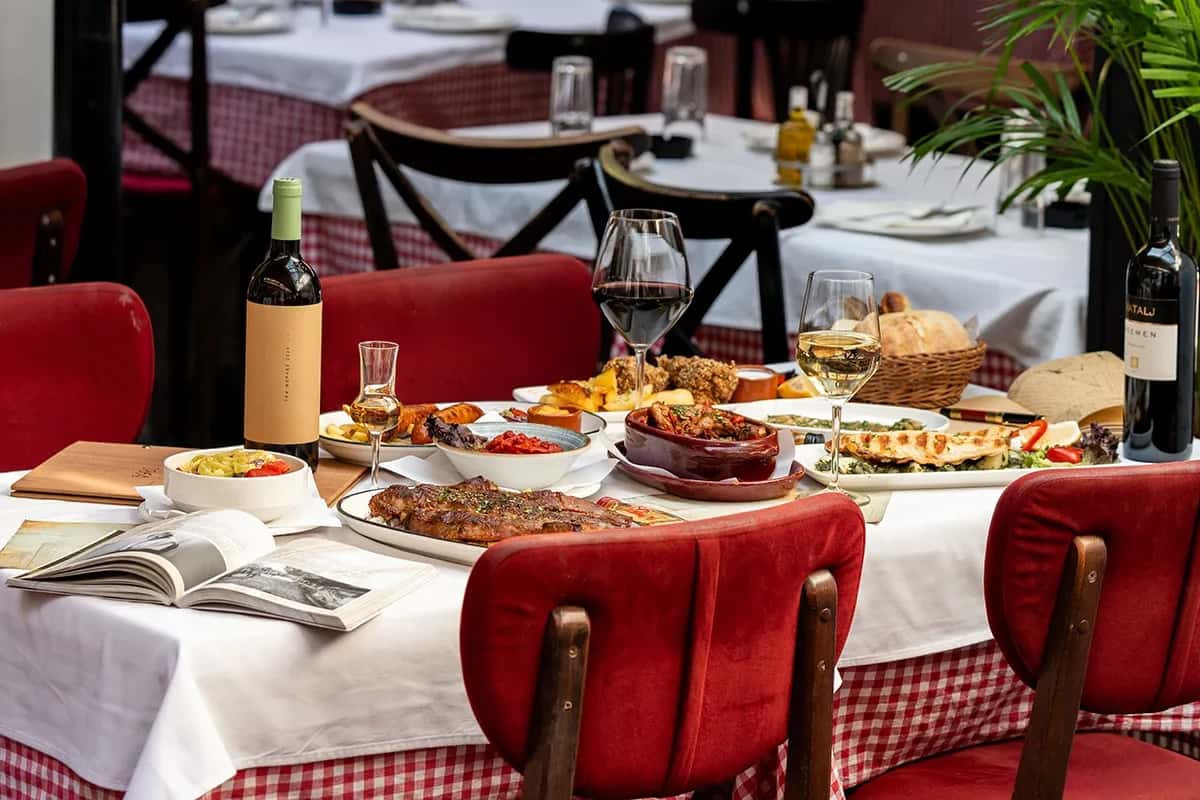
Tri Šešira (Three Hats) is one of the oldest and most famous kafanas in the bohemian Skadarlija quarter, opened in 1864.
Checked 25 July 2026
Was this guide useful?
Report outdated info