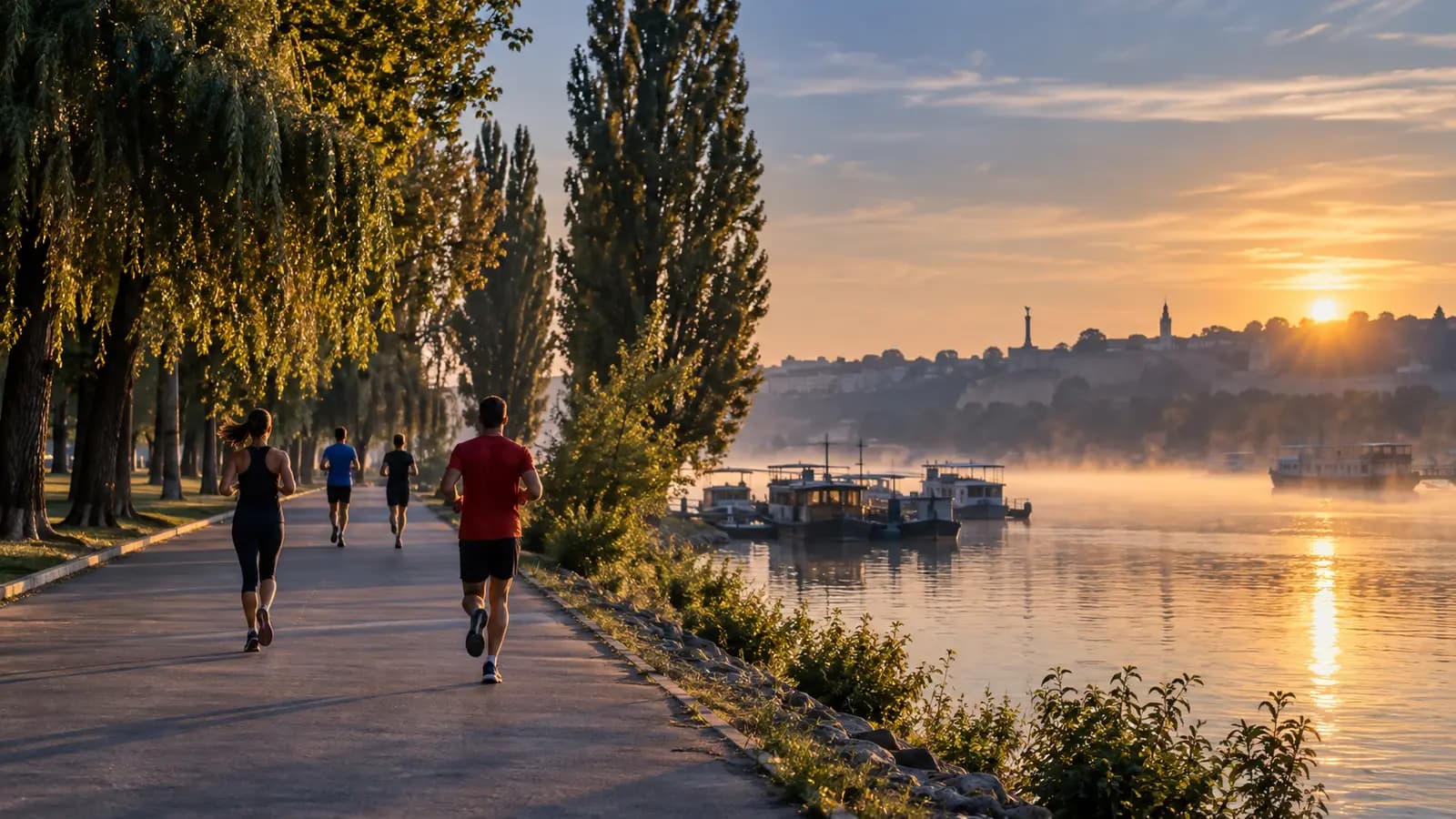
The Best Day Trips from Belgrade: Novi Sad, Fruška Gora & Beyond
From the Soko high-speed train to Novi Sad and the wineries of Fruška Gora, to the Danube's Iron Gates and Šumadija's royal churches - how to plan the perfect day out of Belgrade in 2026.


By the Belgrade Life team
Published 10 July 2026
Belgrade rewards the people who leave it. Within an easy radius of the capital sit baroque river towns, forested monasteries, Roman ruins, and one of Europe's most dramatic river gorges - most of them doable as a single day out and back. Here is how to pick the right trip, and how to actually get there in 2026.
First, how you'll travel
Three options cover almost everything. The Soko high-speed train is the star turn for Novi Sad - clean, air-conditioned, and genuinely fast. Intercity buses reach far more towns and cost less, though they're slower; note that Belgrade's main bus station moved in late 2024 to a new site in Novi Beograd (Block 42, Antifašističke borbe street), so budget extra time to get there. For the Danube, the Šumadija villages, and anything off the rail line, a rental car or an organized tour is by far the least stressful choice.
Novi Sad: the easy first trip
If you only do one day trip, make it Novi Sad. The Soko train covers the roughly 75 km in about 35–45 minutes and runs several times daily; a one-way ticket is around 700 dinars (about 6 euros) as of 2026. Buy through the Srbija Voz app or website - online is a touch cheaper - or at the counter in Belgrade Centre (Prokop) station. Seats are reserved, so grab a morning departure.
Once there, wander the pastel Habsburg-era center around Zmaj Jovina street, climb up to Petrovaradin Fortress for the best view over the Danube and its famous "drunken" clock (the big hand shows the hours), then settle in for lunch at a café on Trg Slobode. It's a slower, softer city than Belgrade, and half the pleasure is doing very little.
Fruška Gora & Sremski Karlovci: monasteries and wine
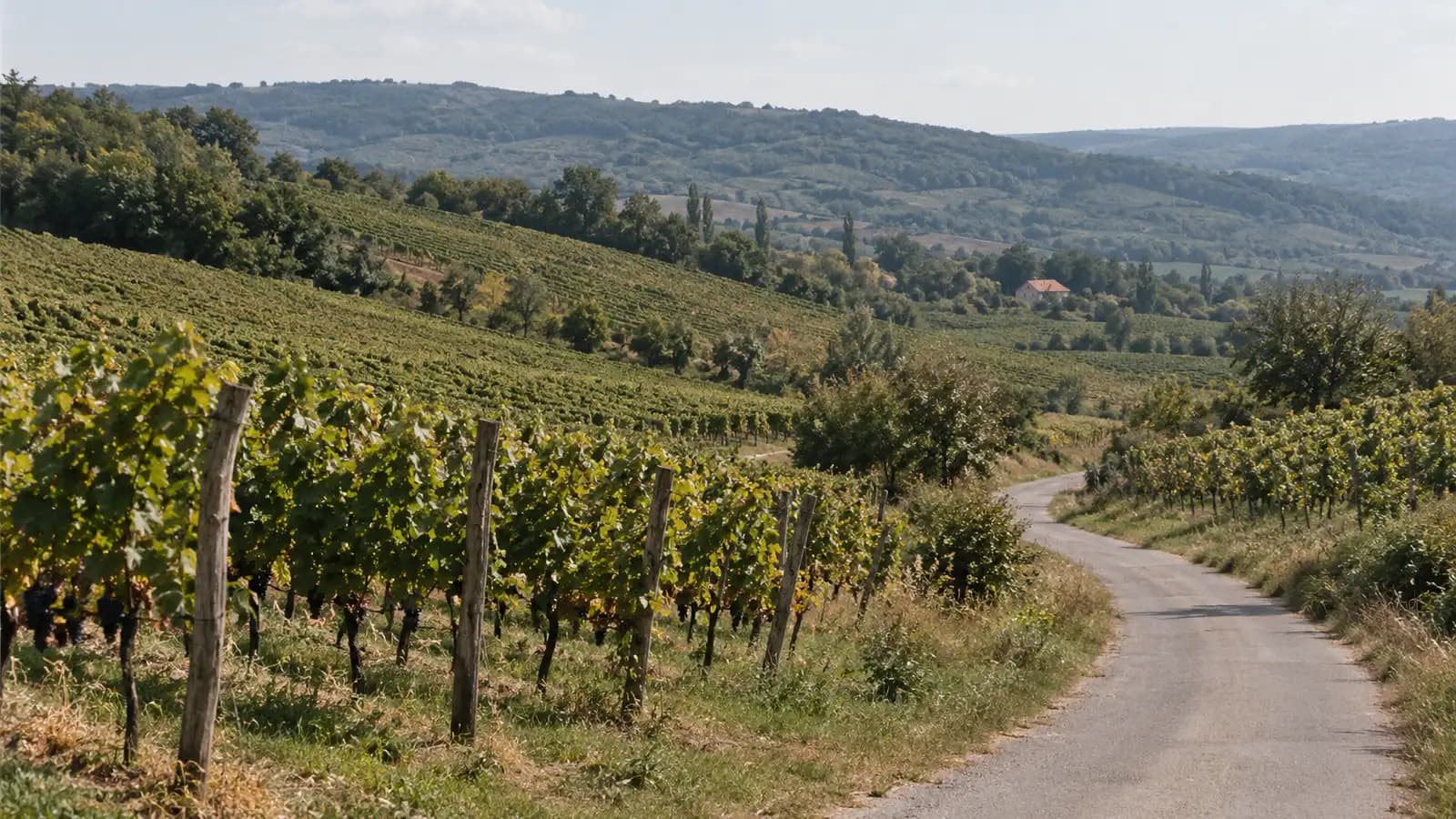
Just south of Novi Sad rises Fruška Gora, a low green ridge that's a national park, studded with around sixteen active Orthodox monasteries and more than sixty wineries. It pairs beautifully with the tiny baroque town of Sremski Karlovci at its foot.
- Monasteries: Krušedol (16th century, the most historically important), Grgeteg, and Novo Hopovo are the usual trio. Dress modestly - shoulders and knees covered.
- Sremski Karlovci: see the Four Lions fountain, the Orthodox cathedral, and the Chapel of Peace, where the Treaty of Karlowitz was signed in 1699.
- Wine: the local specialty is Bermet, a spiced dessert wine once served in European courts (and, legend has it, aboard the Titanic). Tastings at family cellars are the highlight.
You can chain Novi Sad and Fruška Gora into one long day by car or on a guided tour. By public transport, Sremski Karlovci is a short bus or regional-train hop from Novi Sad, but reaching the monasteries themselves really wants wheels.
Advertise here
Your banner could be here
People open this page to plan their time in Belgrade. Put your venue, event or brand in front of them.
The Danube's wild east: Golubac & the Iron Gates
The most jaw-dropping day trip heads downstream to Đerdap (Iron Gates) National Park, where the Danube narrows between cliffs on the Serbian–Romanian border. The restored medieval Golubac Fortress guards the mouth of the gorge; entry runs around 600 dinars, with optional speedboat rides (roughly 15 euros) as of 2026. Many tours add Lepenski Vir, a prehistoric settlement thousands of years old, and Viminacium, a sprawling Roman city with a mammoth skeleton on site.
Be realistic: this is a 10–12 hour round trip covering long distances. A car or a shared organized tour (commonly 50–90 euros per person) makes far more sense out here than public transport.
Šumadija's royal heart: Topola & Oplenac
About ninety minutes south lies Topola, cradle of the Serbian uprising against the Ottomans, and the hill of Oplenac, crowned by the Church of St. George - the mausoleum of the Karađorđević royal family, its interior sheathed in astonishing mosaics. Finish with a tasting at the royal wine cellar. It's a manageable half- to full-day trip and a good rainy-day alternative to the river routes.
Going further (better as an overnight)
Some of Serbia's greatest hits sit three-plus hours out and reward staying the night rather than racing back:
- Zlatibor & Mokra Gora: the mountain resort, plus the Šargan Eight heritage railway and Emir Kusturica's wooden village of Drvengrad.
- Tara National Park & the Drina: forested canyons and the much-photographed little house on a rock in the river near Bajina Bašta.
- Uvac Canyon: hypnotic river meanders and circling griffon vultures - a spectacular boat-and-hike outing.
A few practical notes
Carry some cash (dinars) for monastery donations, rural cafés, and fortress tickets, even though cards are widely accepted in the cities. Start early: most day tours leave between 08:00 and 09:00. Summer weekends get busy on Fruška Gora and along the Danube, so book train seats and tours ahead.
Good to know
Checked 10 July 2026
Was this guide useful?
Report outdated info