International schools and kindergartens in Belgrade
Belgrade offers IB, British, French, German and bilingual schooling, mostly in the southern districts. Here is what the main international schools and kindergartens cost, and how to choose and apply in time.


By the Belgrade Life team
Published 24 July 2026
On this page: 2 sections
International schools and kindergartens in Belgrade
For families relocating with children, choosing among the international schools and kindergartens in Belgrade is often the decision that shapes everything else, including which neighbourhood you settle in. The good news is that the city has a solid range of English, British, American, IB and other curricula. The catch is that the best places fill up, so you apply early. Here is a practical overview.
The main international schools
Belgrade international schools cluster in the leafy southern districts, especially Dedinje, Senjak and Vračar, and in Novi Beograd.
- International School of Belgrade (ISB) is the oldest and best known, running the International Baccalaureate from preschool through grade 12, taught in English. It is the reference point many expat families start with.
- Chartwell International School follows the British and Cambridge curriculum (Primary, IGCSE and A-Levels) for ages 2 to 18 across several campuses.
- PRIMA International School and British International School also offer British-style education.
- National-curriculum options include the École Française de Belgrade (French, AEFE network), Deutsche Schule Belgrad (German), and a Finnish-model school, alongside embassy-run schools for some communities.
What it costs
International school fees in Belgrade are the biggest line in most relocating families budgets. Depending on the school and the age of the child, annual tuition runs from roughly 900,000 RSD at the more affordable British schools to well over 3,000,000 RSD at the top of the ISB secondary range. Budget on top for one-off registration and enrolment fees, lunches, transport and school trips, which add up quickly. Always ask for the full fee schedule, not just the headline tuition.
Kindergartens and preschools
For younger children you have three broad options. State kindergartens (vrtići) are inexpensive and give children fast immersion in Serbian, but places are in high demand and teaching is in Serbian only. Private bilingual and international preschools are the usual choice for expats: expect roughly 300 to 600 EUR per month depending on hours and programme. Names families mention include International Preschool Belgrade (with locations in Dedinje and Vračar), Little Sparrows in Vračar, and various Montessori and bilingual houses across the city. Most international schools also run their own early-years sections from age three.
How to choose and apply
- Start early. Popular schools and preschools keep waitlists, especially for entry year groups. Contact admissions the moment your move is firm.
- Match the curriculum to your plans. If you may move again, the IB or Cambridge systems transfer cleanly between countries. If you are staying long term, weigh a local or bilingual school too.
- Visit in person. Class sizes, the feel of the building, outdoor space and how staff speak to children tell you more than a website.
- Check the commute. Belgrade traffic is heavy, so a school 20 minutes away on the map can be a long daily trip. Many families pick their neighbourhood around the school.
- Ask about support. If your child does not speak English or Serbian, ask what language support the school provides.
Practical notes
The Serbian school year runs from September to June, with enrolment interviews and assessments often held in the spring before. State schools are free and open to foreign residents, and some expat families choose them for genuine local integration, accepting that the first months in Serbian are hard. Whichever route you take, gather your child previous school records and vaccination records early, and have important documents translated. For a wider view of raising children here, see our guide to Belgrade for families, and to help pick the right area, best neighborhoods to live in Belgrade.
Places in this guide
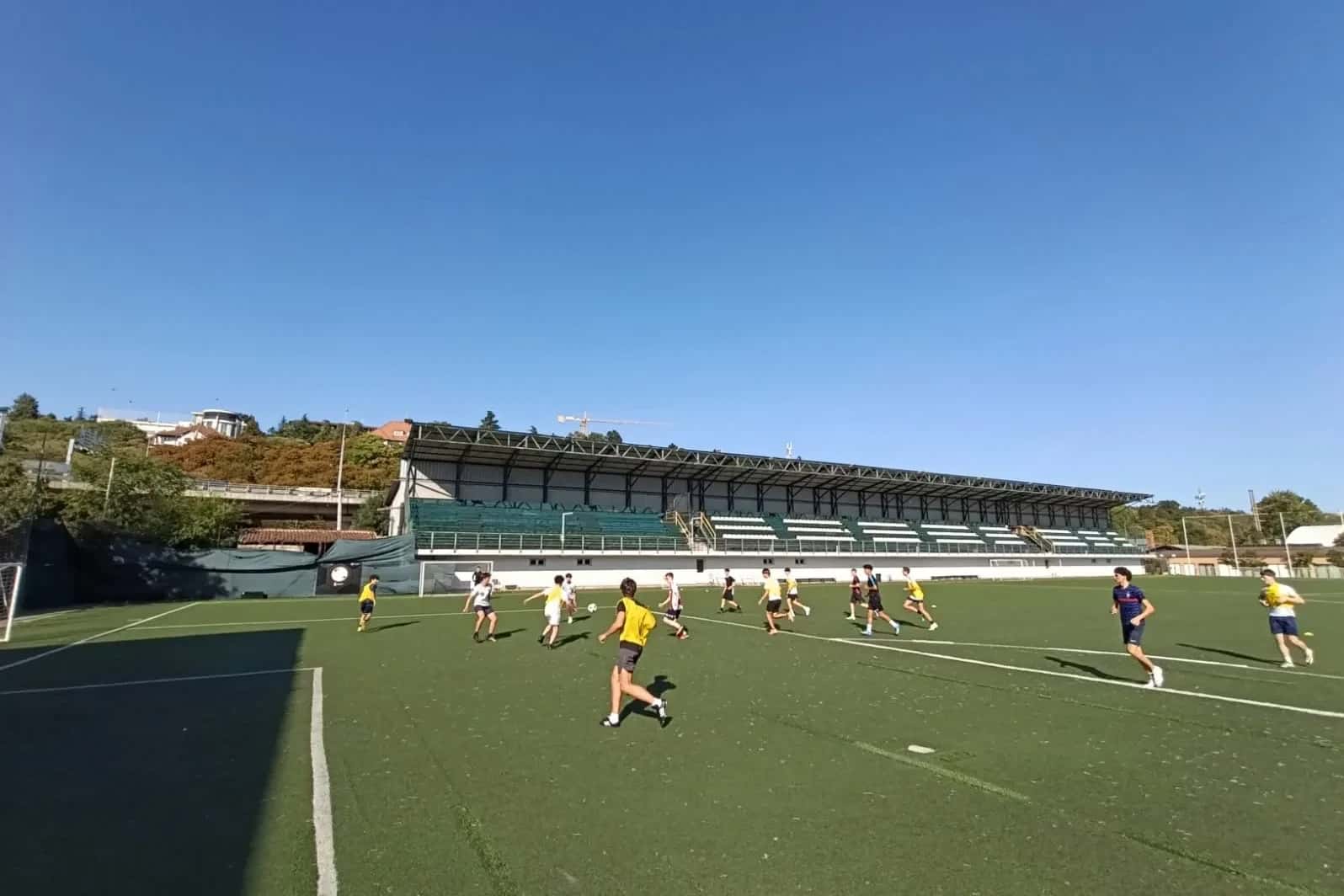
International School of Belgrade
Services, Savski Venac


Established in 1948, ISB is the oldest international school in Belgrade and teaches entirely in English, running the full International Baccalaurea…
Checked 24 July 2026
Was this guide useful?
Report outdated info