Navigating Serbian Bureaucracy: Documents, Stamps, and Survival Tips
From the 24-hour white card to the unified residence permit, sworn translators, and SEPA banking - a practical, up-to-date walkthrough of Serbian bureaucracy in 2026, with survival tips for every counter.


By the Belgrade Life team
Published 10 July 2026
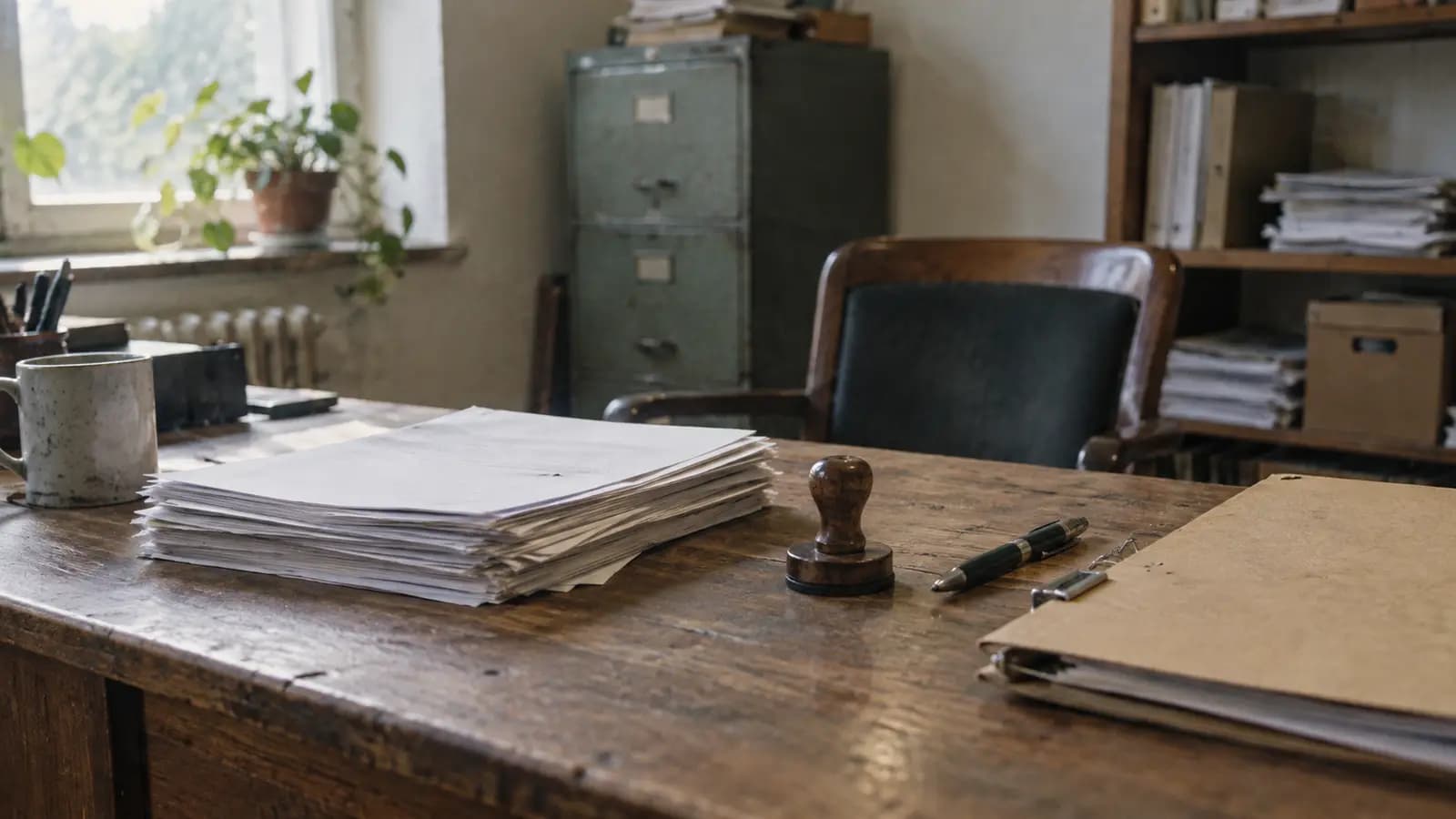
If there is one rite of passage every newcomer to Belgrade shares, it is standing at a šalter (counter) clutching a folder of documents, unsure whether you are in the right line. Serbian bureaucracy is not as fearsome as its reputation - but it does run on its own logic: paper originals, official stamps (pečat), and a great deal of patience. Here is a practical, up-to-date map to get you through it in 2026.
Your first 24 hours: the White Card
Every foreigner must register their address within 24 hours of arriving in Serbia. This registration is the famous beli karton (white card), formally a prijava boravka. If you check into a hotel or a properly registered rental, your host does this automatically - always ask for your copy. If you stay in a private flat, you and your landlord register together at the police administration for foreigners (in Belgrade, at Savska 35) or online through the eUprava portal. Keep the card safe: you will need it to open a bank account and to apply for residence, and you must re-register every time you change address.
The big one: temporary residence (boravak)
To stay beyond the 90-day tourist window, you apply for privremeni boravak (temporary residence). Since 2024, if your ground is work, Serbia issues a unified permit (jedinstvena dozvola) that merges residence and work authorization into a single application. Other common grounds include company ownership or directorship, family reunification, study, and property ownership. Applications are submitted online through the government portal welcometoserbia.gov.rs, and the Ministry of the Interior (MUP) decides within 15 to 30 days.
You will typically need a valid passport, proof of your ground (employment contract, company documents, marriage certificate, and so on), proof of address, evidence of sufficient funds, and health insurance - either an international policy or a Serbian voluntary/private one covering your stay. Budget for administrative taxes: as of 2026, expect roughly €190–230 in total for the residence approval and biometric card, plus a small registration fee. Immediate family members of Serbian citizens are exempt from the funds and insurance requirements.
Your foreigner ID number - and the sync trap
When residence is approved, you receive a biometric ID card for foreigners (lična karta za stranca) carrying your foreigner registration number (EBS), your local equivalent of a personal ID number. One classic headache: the databases of MUP and the Tax Administration (Poreska uprava) are not always synchronized. If your number does not yet appear in the tax system, a bank or employer cannot process you until it is activated - so if something is refused, the fix is usually a return trip to MUP to correct the record, not a problem on your end.
Advertise here
Your banner could be here
People open this page to plan their time in Belgrade. Put your venue, event or brand in front of them.
Stamps, apostilles, and sworn translators
Serbian offices take documents seriously, and foreign ones rarely count on their own. Two words to learn early:
- Apostille - under the 1961 Hague Convention, foreign public documents (birth certificates, diplomas, criminal-record checks) must be apostilled in the country that issued them before you bring them to Serbia. Serbian documents are apostilled at the basic court (osnovni sud).
- Sudski tumač - a sworn court translator appointed by the Ministry of Justice. Only their signature and stamp make a translation official. Most documents you submit must be translated into Serbian by one; expect roughly €10–25 per page depending on the language and urgency (as of 2026).
For leases, powers of attorney (punomoćje), and property deals you will also meet the javni beležnik (notary public), who certifies signatures and contracts.
Opening a bank account
A local account makes everything easier. The banks most used to foreigners are Raiffeisen, UniCredit, Banca Intesa, OTP, and Erste. Bring your passport and white card; some branches also ask for proof of address or your tax number. Since Serbia joined SEPA in May 2025, euro transfers to and from the eurozone clear in about one business day at low, domestic-style fees - a genuine upgrade. Cards typically arrive 7–10 days after signing. It is worth comparing two or three banks, as monthly fees and English-language support vary.
Survival tips for the counter
- Carry cash in dinars. Administrative taxes (republička administrativna taksa) are often paid by slip (uplatnica) at a post office or bank, and many counters do not take cards.
- Over-copy everything. Bring originals plus several photocopies, and keep apostilled and translated sets together.
- Go early. Many offices issue a limited number of daily tickets; arriving before opening beats the mid-morning crowd.
- Bring biometric-style photos for ID applications, and a pen of your own.
- Consider help. For the unified permit, a relocation agency or lawyer often saves days of back-and-forth.
Important
Checked 10 July 2026
Was this guide useful?
Report outdated info