Serbian Residence Permit (Boravak) & White Card: The 2026 Belgrade Guide
Everything newcomers to Belgrade need to legalize their stay in 2026: registering your White Card within 24 hours, then moving on to temporary residence (boravak) and the new unified residence-and-work permit.


By the Belgrade Life team
Published 10 July 2026
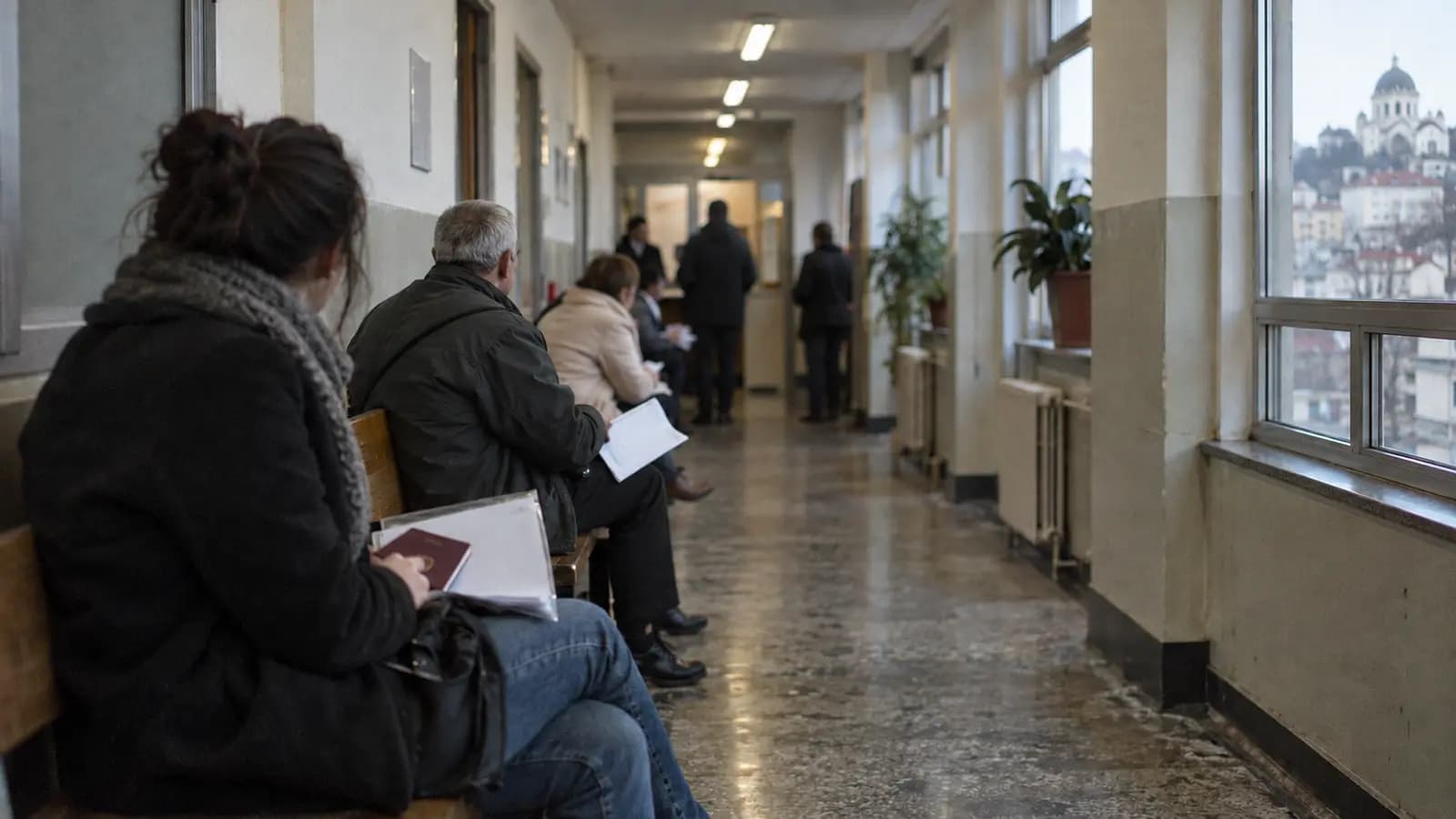
Moving to Belgrade is the easy part. Staying legally is a two-step paper trail that trips up almost every newcomer: first the White Card (registration of your address), then the boravak (temporary residence permit). Get the order and the deadlines right and the whole thing is far less painful than the queues at Savska 35 suggest. Here is how it works as of 2026.
Step one: the White Card (prijava boravišta)
Every foreigner in Serbia must register their address with the police within 24 hours of arrival. The proof of that registration is the White Card - a small slip officially called prijava boravišta. It sounds bureaucratic, but you will need it constantly: to open a bank account, to sign a lease, and above all as a required document when you apply for residence.
Who actually files it depends on where you sleep:
- Hotels, hostels, and most Airbnbs register you automatically at check-in. Ask for your copy and keep it.
- Private accommodation - a flat rented from a private landlord, or staying with friends - means you (or your host) are responsible for registering within 24 hours.
You can now do this in person at the police, or online through the eGovernment portal euprava.gov.rs, where the host uses their account to register a guest without anyone standing in line. Bring or upload your passport and proof of the address. Registration is free of charge.
Good to know
Step two: temporary residence (boravak)
The 90-day visa-free stay most nationalities enjoy is not residence - it is a countdown. If you plan to stay longer, you must apply for privremeni boravak (temporary residence) before those 90 days expire. A permit is granted for up to three years at a time and can be renewed for the same period, depending on your grounds.
Common grounds for residence
- Employment with a Serbian company (now usually handled as a unified permit - see below).
- Remote work / digital nomad income from a foreign employer or your own company.
- Company ownership - founding a Serbian d.o.o. is a well-worn route for freelancers and entrepreneurs.
- Property ownership - owning real estate in Serbia.
- Family reunification with a spouse or close relative who holds residence or citizenship.
- Study at an accredited Serbian institution.
The unified permit: residence and work in one card
Since early 2024, Serbia merged the old two-office dance (residence permit at MUP, work permit at the employment service) into a single unified permit - jedinstvena dozvola za boravak i rad. It is one biometric card, one application, submitted exclusively online.
You will need an account on the national eID portal (eid.gov.rs), then you file through the Foreigners Portal at welcometoserbia.gov.rs. You can start the application from abroad, but once it is approved you must appear in person in Belgrade to give fingerprints and collect the physical card. If your residence is based on something other than work (for example, property or family), you may still use the standard residence procedure rather than the unified permit.
Advertise here
Your banner could be here
People open this page to plan their time in Belgrade. Put your venue, event or brand in front of them.
Documents, fees, and timelines (as of 2026)
Exact requirements vary by grounds, but almost every applicant needs:
- A passport valid well beyond the permit period, plus a biometric photo.
- Your White Card registration.
- Proof of your grounds (employment contract, company documents, property deed, enrolment letter, etc.).
- Proof of accommodation in Belgrade (lease plus the owner's ID, or property title).
- Valid health insurance and evidence of sufficient funds.
Foreign documents generally need a certified court translation into Serbian, typically 1,500–4,000 RSD per document. Government fees, as of 2026, run to roughly 22,000 RSD in administrative fees plus a card-issuance fee of around 22,700 RSD and a small submission fee - always confirm the current amounts on the portal, as they are adjusted by regulation. Budget the equivalent of a few hundred euros in total.
On timing: a first-time residence decision typically takes around 30 days (about 15 days for a unified permit), while a renewal filed on time is often decided the same day you submit it. Apply early - leaving it to the final week of your 90 days is the classic mistake.
Where to go in Belgrade
Foreigner matters in the capital are handled by the Department for Foreigners at Savska 35, generally open Monday to Friday, roughly 09:00–13:00. Arrive early; the queue forms before the doors open. Even though much of the process is now digital, biometric enrolment and card collection still happen in person, so factor in at least one physical visit.
Practical tips
- Keep every slip. White Cards, payment receipts, and translated documents all get requested again later.
- Screenshot your portal submissions and note the reference numbers.
- Consider a local agency or lawyer for a first application - a few hundred euros can save weeks if your grounds are complex.
- Mind the calendar. Your boravak and your White Card are separate clocks; do not let either lapse.
Handled in order - register, then reside - the process is entirely manageable. Welcome to Belgrade.
Checked 10 July 2026
Was this guide useful?
Report outdated info