How to Rent an Apartment in Belgrade Without Getting Scammed
A practical 2026 guide to finding a long-term rental in Belgrade: realistic prices, the main listing portals, how to spot deposit scams, what your lease must include, and registering your stay.


By the Belgrade Life team
Published 10 July 2026
On this page: 8 sections
- Know the market before you search
- Where to look - and who is really listing
- Red flags: how the scams actually work
- The golden rules for viewing and paying
- Get it in writing: the lease that protects you
- Deposits and utilities: what you actually pay
- Register your stay: the white card
- Your pre-signing checklist
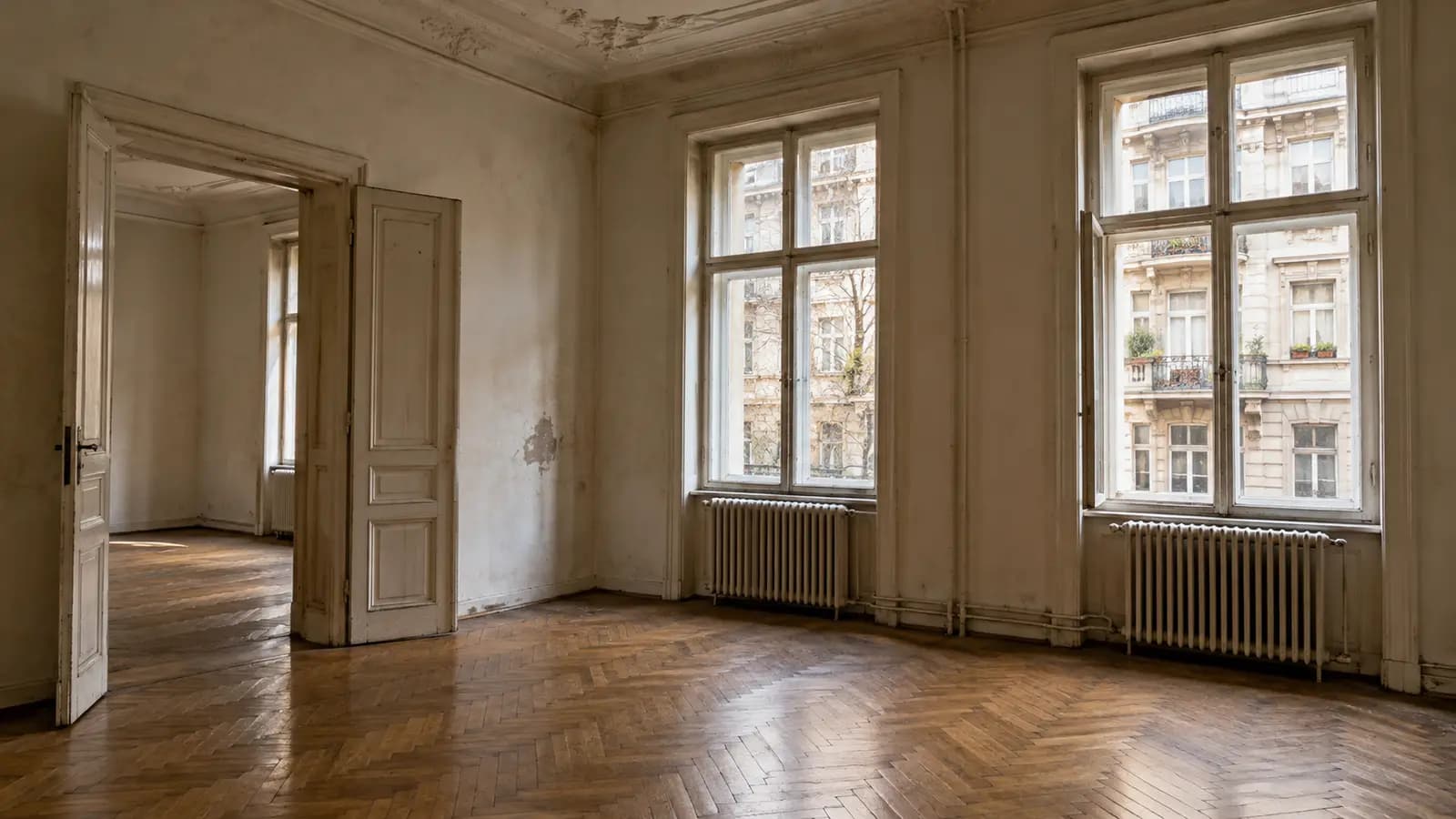
Belgrade is one of Europe's better rental bargains, but the market moves fast and a minority of listings are outright traps. Whether you are a digital nomad landing for six months or a local moving across town, a little local knowledge is the difference between a smooth move-in and losing a deposit to someone you will never meet. Here is how to rent safely in 2026.
Know the market before you search
As of 2026, a studio (garsonjera) typically runs about €450–700 per month, a one-bedroom in central areas like Stari Grad, Vračar or Dorćol around €550–800, and larger two- to three-bedroom flats roughly €650–1,500. Rent averages around €16 per square metre - roughly half of Vienna or Munich. Furnished apartments in expat-popular neighbourhoods rent fast, so decent listings disappear within days.
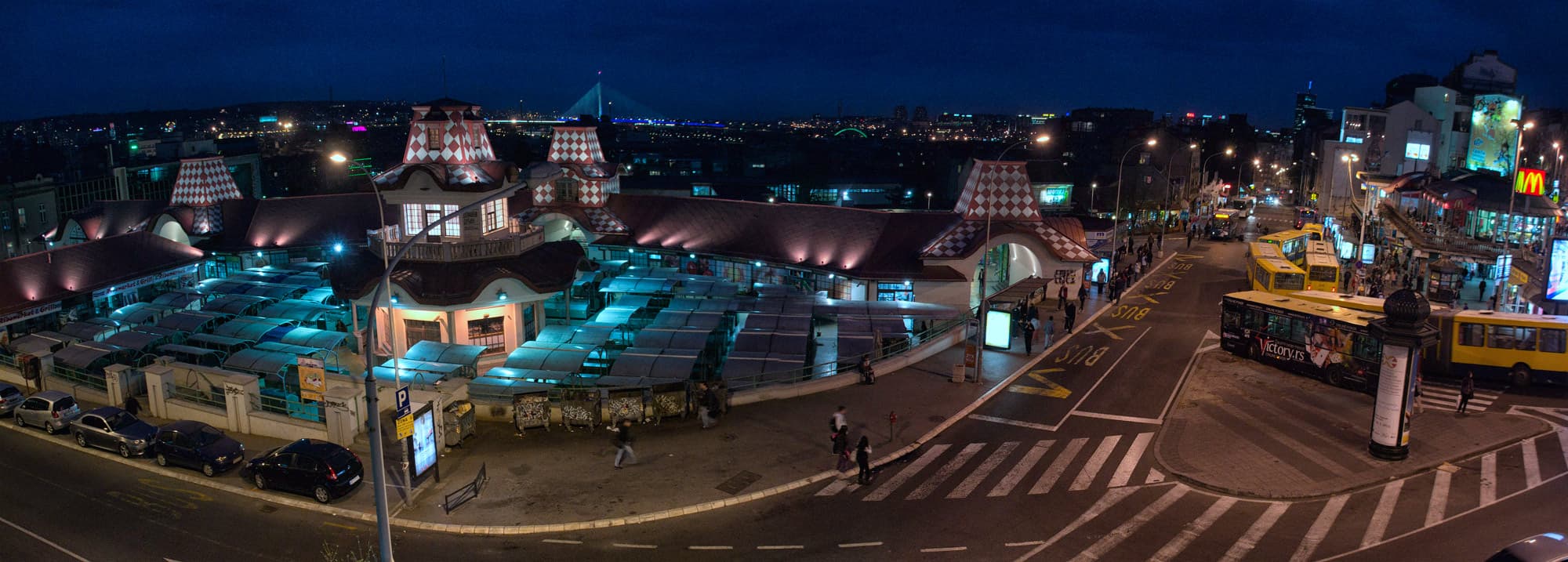
Popular central areas include Stari Grad, Vračar, Dorćol and Savski Venac; Novi Beograd (New Belgrade) and the Belgrade Waterfront (Beograd na vodi) for newer buildings; and Zemun, Zvezdara and Voždovac for better value. Rent is almost always quoted separately from utilities, and leases usually run six to twelve months.
Where to look - and who is really listing
The main portals are Halo Oglasi, 4zida, Nekretnine.rs and CityExpert. Most are Serbian-only, so keep a translation tab open. Expat and nomad Facebook groups also work, but they attract the most scams - treat them with the most caution.
Understand who you are paying. If you rent directly from an owner, there is no agency fee. If you go through an agency, the commission (provizija) is usually equal to one month's rent, paid by you - with the notable exception of CityExpert, which covers the tenant commission. Always confirm who pays the commission before you view anything.
Red flags: how the scams actually work
Nearly every Belgrade rental scam follows the same script. A scammer copies photos and text from a real listing, prices it slightly below market, then invents a reason they cannot show it in person - they are "abroad," the keys are "with a relative," or the deal is only good "if you reserve today." They ask for a deposit up front via Wise, crypto, Western Union or cash, then vanish. Sometimes tenants arrive to find real residents already living there.
The warning signs are consistent:
- A price noticeably below comparable flats in the same building or street.
- Pressure to pay a deposit or "reservation" before viewing.
- The "owner" refuses a live video call or an in-person meeting.
- Requests for irreversible payment - crypto, Wise to a personal account, Western Union, or cash handed to a stranger.
- A story that keeps them conveniently out of the country.
Run the listing photos through a reverse image search. If the same pictures appear on other ads or in another city, walk away.
Advertise here
Your banner could be here
People open this page to plan their time in Belgrade. Put your venue, event or brand in front of them.
The golden rules for viewing and paying
Two rules prevent the vast majority of losses. First: never pay a cent before you have physically stood inside the apartment. No exceptions, no matter how good the story. Second: verify who you are dealing with. Meet the owner or a clearly authorised agent in person, and ask to see the ownership document (list nepokretnosti) so you know the person signing actually owns the place. If an "agent" cannot name the owner or produce paperwork, that is your answer.
When you do pay, pay traceably. A bank transfer to the owner's account or cash exchanged in person against a signed, dated receipt is fine; anonymous international transfers to strangers are not. Get a written receipt for the deposit and the first month, ideally naming the amount, the date and the apartment address.
Get it in writing: the lease that protects you
Under Serbian law a lease must be in writing to be valid. A written contract alone is enough between you and the landlord, but notarising it (overa ugovora) is strongly recommended - and it becomes essential if you are a foreigner, because a notarised, registered contract (registrovan ugovor) is what you need to apply for a residence permit (boravak), open a bank account, or establish a legal address.
Before you sign, make sure the contract states: the full names and ID numbers of both parties, the exact address, the monthly rent and currency, the deposit amount and refund conditions, who pays which utilities, the lease term, and the notice period for ending it (commonly 30–60 days). Serbian law protects tenants from "self-help" eviction - a landlord cannot legally change the locks or throw out your belongings without a court order.
Deposits and utilities: what you actually pay
Expect a security deposit (depozit or kapara) of one to two months' rent, on top of the first month. By law the landlord must return it within 30 days of you moving out, with a written explanation of any deductions - so photograph the apartment's condition on move-in day and keep the images.
Utilities are usually paid on top of rent. The building bill, Infostan, bundles maintenance, water, rubbish and often central heating, and typically runs €70–130 per month depending on size and season. Electricity (EPS) adds roughly €25–50. Confirm in writing whether any bills are already settled by the owner and whether there are outstanding debts on the meter before you take over.
Register your stay: the white card
Every foreigner must register their address within 24 hours of arrival and receive a white card (bela karta). Registration is free. Your landlord or host normally files it online via the eUprava portal (or eTurista for tourist accommodation); you can also register yourself through the eGovernment e-service. Confirm before signing that your landlord is willing to register you - without it, you cannot later apply for temporary residence, and a landlord who refuses is a red flag in itself.
Your pre-signing checklist
Do these seven things and Belgrade becomes exactly what it should be: an affordable, welcoming city to call home - without the horror story.
Your pre-signing checklist
0 of 7 done
Ticks are saved on this device.
Checked 10 July 2026
Was this guide useful?
Report outdated info